 WhatsApp Us (24/7)
 +91 926 888 0303 (24/7)



To Book an Appointment
Call Us+91 926 888 0303Back Pain and Spine Disorders: When to See a Surgeon
By Dr Jitesh Manghwani in Spine Surgery
Mar 02 , 2026

Spine-related ailments are becoming increasingly common due to modern lifestyle changes. Prolonged sitting, excessive mobile and computer use, poor posture, lack of exercise, obesity, and increasing life expectancy are major contributors.
Common spine problems include:
- Low back pain
- Neck pain
- Slipped disc (disc prolapse)
- Sciatica
- Lumbar canal stenosis
- Cervical spondylosis
- Osteoporotic spine fractures
- Spine infections and tumours
Back pain, in particular, is one of the most common reasons for medical consultation worldwide. However, not all back pain is serious.
Importance of Awareness and Early Evaluation
Most spine problems begin with mild pain or stiffness and can often be managed effectively if addressed early. Ignoring symptoms, self-medicating repeatedly, or relying solely on painkillers without proper evaluation may worsen the condition. Certain symptoms require urgent medical attention. These include:
- Progressive weakness in arms or legs
- Numbness in the genital or perianal region
- Loss of bladder or bowel control
- Severe, persistent pain not relieved by rest
- Unexplained weight loss with back pain
- Fever associated with spinal pain
- History of trauma with severe pain
These symptoms may indicate nerve compression, infection, tumour, or fracture and require prompt specialist consultation.
When to Consult a Spine Surgeon
A spine surgeon’s consultation is advisable when:
- Pain persists beyond 4–6 weeks despite medication and rest
- There is radiating pain to the arms or legs
- There is numbness, tingling, or weakness
- Daily activities and sleep are significantly affected
- There is suspicion of structural spine problems on imaging
Early evaluation helps in accurate diagnosis and appropriate management planning.
Non-Surgical Management of Spine Disorders
It is important to emphasise that the majority of spine patients, nearly 80–90%, do not require surgery. Most cases improve with conservative treatment such as:
- Medication
- Physiotherapy
- Lifestyle modification
- Posture correction
- Core strengthening exercises
- Weight management
- Activity modification
Proper guidance and structured rehabilitation form the cornerstone of spine care.
When is Spine Surgery Needed?
Spine surgery is considered only when conservative treatment fails or when there is significant neurological compromise. Indications for surgery typically include:
- Progressive neurological deficit (weakness)
- Cauda equina syndrome (loss of bladder/bowel control)
- Severe nerve compression with intractable pain
- Spinal instability
- Certain fractures, tumours, or infections
Conclusion
With advancements in minimally invasive techniques, navigation systems, and robotic-assisted spine surgery, modern procedures are safer, more precise, and associated with quicker recovery in selected cases.
Written and Verified by:

Related Blogs

Prof. (Dr). V.K.Jain In Neurosciences , Spine Surgery
Nov 07 , 2020 | 5 min read
Dr. Amit Gupta In Spine Surgery , Neurology
Nov 07 , 2020 | 2 min read

Blogs by Doctor

Back Pain in Youth: Poor Posture, Sedentary Lifestyle & Tech Spine
Dr Jitesh Manghwani In Spine Surgery
Aug 13 , 2025 | 2 min read
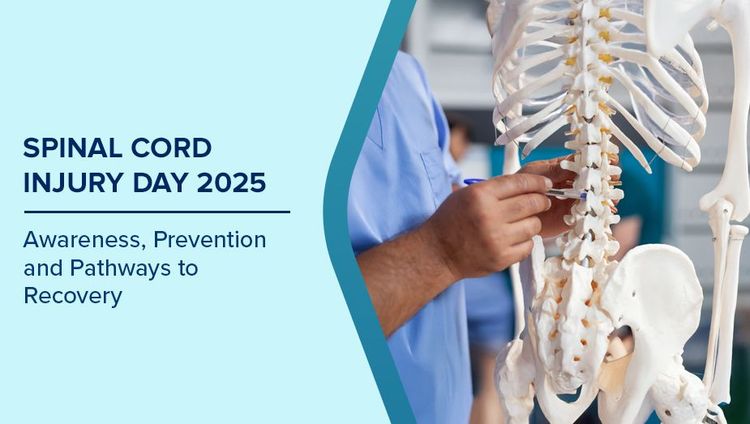
Spinal Cord Injury Day 2025: Awareness, Prevention and Pathways to Recovery
Dr Jitesh Manghwani In Spine Surgery
Sep 03 , 2025 | 1 min read
Most read Blogs

Related Blogs
Prof. (Dr). V.K.Jain In Neurosciences , Spine Surgery
Nov 07 , 2020 | 5 min read
Dr. Amit Gupta In Spine Surgery , Neurology
Nov 07 , 2020 | 2 min read
Blogs by Doctor
Back Pain in Youth: Poor Posture, Sedentary Lifestyle & Tech Spine
Dr Jitesh Manghwani In Spine Surgery
Aug 13 , 2025 | 2 min read
Spinal Cord Injury Day 2025: Awareness, Prevention and Pathways to Recovery
Dr Jitesh Manghwani In Spine Surgery
Sep 03 , 2025 | 1 min read
Most read Blogs