 WhatsApp Us (24/7)
 +91 926 888 0303 (24/7)


To Book an Appointment
Call Us+91 926 888 0303Can Spicy Food Cause Stomach Cancer? Let’s Clear the Myth
By Dr. Sanjeev Kumar in Surgical Oncology , Cancer Care / Oncology , Gastrointestinal & Hepatobiliary Oncology , Gastro Intestinal & Hepatopancreatobiliary Surgical Oncology , Robotic Surgery
Jan 06 , 2026 | 5 min read

Spicy dishes hold a special place in global cuisines, valued for their rich flavours and the unique heat they add to food. However, a lingering concern among many people is whether eating spicy food can lead to serious health issues, particularly stomach cancer.
This topic has created widespread myths and anxiety, causing people to question whether their favourite dishes could be harmful. Understanding the effects of spicy food on your digestive health is essential for making informed choices.
Understanding Stomach Health
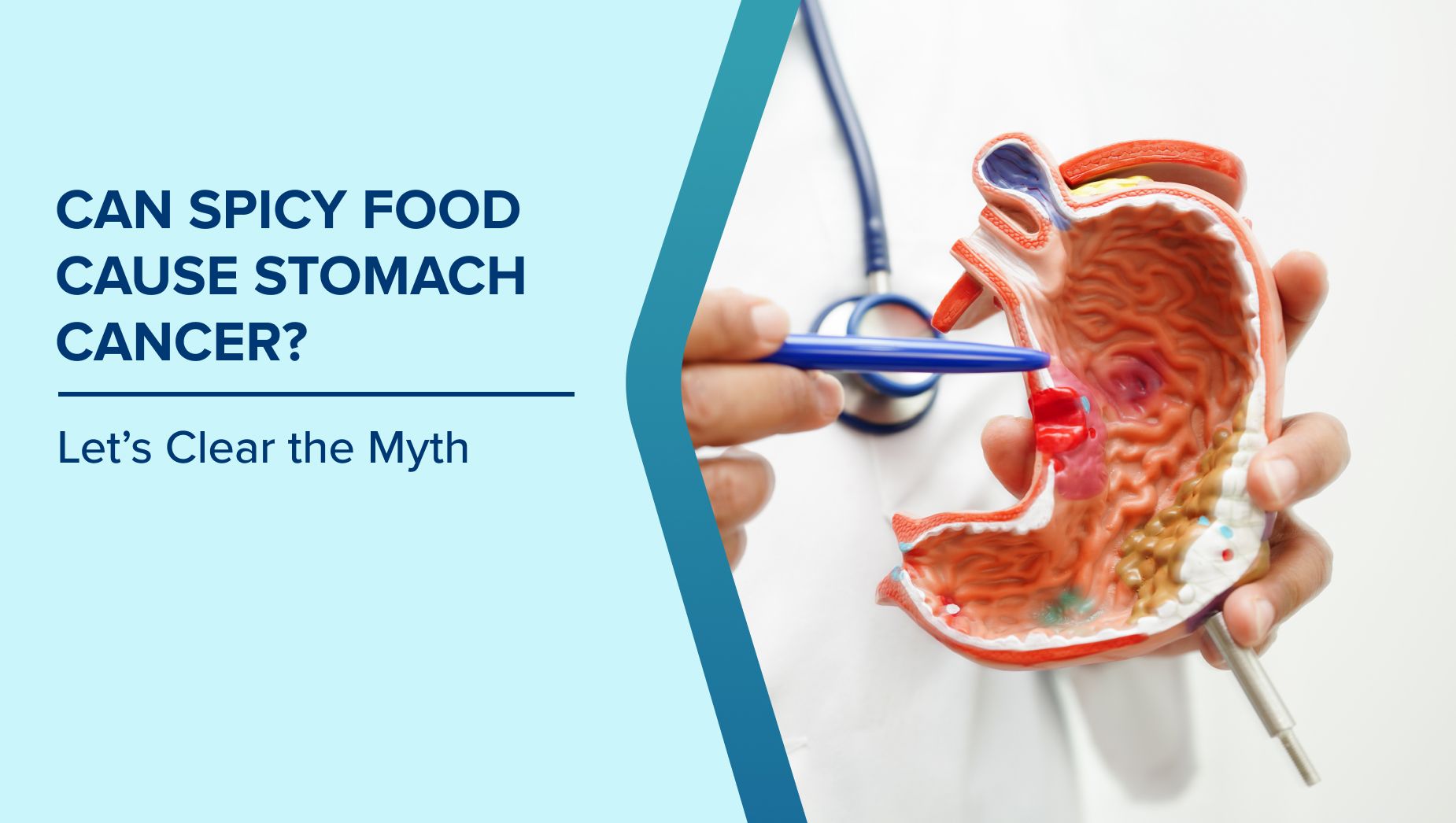
The stomach is a complex organ responsible for breaking down food and initiating digestion. It secretes acid and digestive enzymes that help absorb nutrients effectively. Maintaining stomach health is crucial because digestive discomfort can affect overall well-being.
Common challenges to stomach health include:
- Acid reflux: Stomach acid moves back into the oesophagus, causing heartburn.
- Indigestion: Discomfort or bloating after meals due to overproduction of acid or slow digestion.
- Gastric irritation: Caused by certain foods, stress, or irregular eating patterns.
A healthy stomach relies on a balance between digestive secretions, diet, and lifestyle factors. Being mindful of what and how you eat plays a key role in preventing discomfort while supporting long-term digestive health.
Spicy Food and Your Digestive System
Spicy food, often rich in ingredients like chilli, pepper, and other hot spices, interacts with the digestive system in specific ways. Here’s how:
- Increases acid secretion temporarily: Spicy foods may stimulate mild production of stomach acid, which can occasionally cause burning sensations for sensitive individuals.
- Stimulates digestive enzymes: Some spices can encourage the release of enzymes, aiding digestion and enhancing flavour appreciation.
- Triggers temporary discomfort: For some people, excessive spice may cause mild heartburn or stomach irritation, especially if consumed on an empty stomach.
- Activates gut sensory nerves: Capsaicin, the compound responsible for heat in chillies, can temporarily activate nerve endings in the stomach lining, which some interpret as discomfort or "burning."
For most healthy individuals, these effects are temporary and do not indicate lasting damage. Understanding how your body responds to spice is key to enjoying it safely.
Debunking the Myth: Does Spicy Food Cause Stomach Cancer?
A widespread myth suggests that spicy food consumption may lead to stomach cancer, causing unnecessary anxiety for many food lovers. In reality:
- Spicy food does not inherently damage the stomach lining in a way that causes cancer.
- Occasional heartburn or temporary irritation from spicy meals is different from chronic gastric disease.
- Stomach cancer myths often arise from confusion between irritation and serious illness.
The key takeaway is that enjoying spicy meals in moderation is compatible with healthy digestion and does not increase the risk of stomach cancer for most individuals. Awareness and moderation are more important than avoidance.
Potential Side Effects of Excessive Spicy Food
While spicy food is not a direct cause of stomach cancer, overindulgence can lead to temporary discomfort and digestive issues:
- Heartburn and acid reflux: High spice levels may worsen symptoms in sensitive individuals.
- Gastritis flare-ups: Existing gastric inflammation can be aggravated by very spicy meals.
- Bloating or stomach discomfort: Overconsumption may slow digestion for some people.
- Irritation in sensitive stomachs: People with ulcers, acid reflux, or irritable stomachs may experience more noticeable effects.
Recognising these potential side effects helps individuals adjust their diets to suit personal tolerance levels without fearing severe illness.
Tips for Enjoying Spicy Food Safely
You can still enjoy the heat and flavour of spicy foods while protecting your digestive system. Consider the following tips:
- Moderation is key: Avoid extremely spicy meals every day, especially in large quantities.
- Pair with soothing foods: Dairy, rice, or whole grains can help buffer acidity and reduce irritation.
- Avoid eating on an empty stomach: Eating spices with other foods minimises the risk of heartburn.
- Hydrate adequately: Water and non-caffeinated beverages help digestion and reduce discomfort.
- Listen to your body: Recognise personal tolerance levels and adjust spice levels accordingly.
By following these practices, you can maintain gastric health while still enjoying diverse cuisines.
Role of Lifestyle and Healthy Eating in Gastric Health
Maintaining stomach health extends beyond what you eat; lifestyle habits play a significant role in digestion and overall well-being. Key points include:
- Balanced diet: Include fruits, vegetables, whole grains, and lean proteins to support digestion.
- Regular meals: Eating at consistent times reduces acid fluctuations and supports enzyme activity.
- Hydration: Water aids in digestion and helps prevent irritation caused by concentrated stomach acid.
- Stress management: Chronic stress can worsen heartburn and digestive discomfort. Mindfulness or relaxation techniques are beneficial.
- Limiting irritants: Alcohol, caffeine, and excessive fried foods can aggravate the stomach lining.
Adopting these habits alongside mindful spice consumption ensures that digestion remains comfortable and balanced.
When to Seek Medical Advice
Even though spicy food does not cause stomach cancer, persistent or severe digestive symptoms should not be ignored. Seek medical attention if you experience:
- Frequent heartburn or acid reflux that does not improve with lifestyle adjustments
- Persistent stomach pain or bloating
- Nausea, vomiting, or unexplained weight loss
- Difficulty swallowing or ongoing discomfort after meals
Consulting a healthcare professional ensures early identification of underlying issues and prevents complications.
Conclusion
For the majority of people, spicy food can be enjoyed safely when eaten in reasonable amounts as part of a varied and balanced diet. The myth that it causes stomach cancer has caused unnecessary worry, but understanding stomach function, personal tolerance, and healthy eating habits can help alleviate fear. Enjoying spicy meals mindfully, listening to your body, and practising good digestive health habits allows you to savour the flavours you love while maintaining comfort and well-being.
Remember, spicy food is a source of enjoyment, not a cause for concern. Prioritise moderation, pair it with gut-friendly foods, and seek medical advice when necessary to maintain optimal digestive health.
Frequently Asked Questions
Does eating spicy food affect metabolism?
Yes, certain spicy ingredients like chilli can temporarily increase metabolic rate by stimulating body heat production, which may slightly boost calorie burning.
Can spicy food influence appetite?
For some people, spice enhances appetite and makes meals more enjoyable, while for others it may reduce food intake if it causes a feeling of fullness or discomfort.
Is it safe for children to eat spicy food?
Children can eat mild levels of spice, but very hot foods may irritate their sensitive digestive systems. Introducing spice gradually and in small amounts is usually best.
Can spicy meals interfere with sleep?
Eating very spicy food close to bedtime can sometimes disturb sleep due to acid reflux, discomfort, or increased body temperature. Consuming such meals earlier in the day may help.
Can spicy food cause ulcers?
Spicy food does not directly create ulcers. Ulcers are typically caused by bacterial infections or prolonged acid imbalance. Spice may aggravate existing irritation, but is not a primary cause.
Written and Verified by:

Related Blogs

Dr. S. VEDA PADMA PRIYA In Surgical Oncology , Cancer Care / Oncology
May 16 , 2016 | 2 min read

Dr. Kanika Batra Modi In Surgical Oncology , Cancer Care / Oncology
May 26 , 2016 | 4 min read

Blogs by Doctor
Most read Blogs

Related Blogs
Dr. S. VEDA PADMA PRIYA In Surgical Oncology , Cancer Care / Oncology
May 16 , 2016 | 2 min read
Dr. Kanika Batra Modi In Surgical Oncology , Cancer Care / Oncology
May 26 , 2016 | 4 min read
Blogs by Doctor
Most read Blogs