 WhatsApp Us (24/7)
 +91 926 888 0303 (24/7)


To Book an Appointment
Call Us+91 926 888 0303What is a Haemorrhage: Understanding its Causes, Warning Signs and Emergency Care
By Dr. Kamal Palta in Emergency & Trauma
Jan 23 , 2026
3

A haemorrhage is excessive bleeding from damaged blood vessels, which can occur either internally within the body or externally through a wound, which may deprive vital organs of oxygen and nutrients. This rapid blood loss can be caused by an accident or it can happen internally due to certain medical conditions; either way, it could become life-threatening. That is why knowing the signs and first aid is absolutely vital, as it could be the difference between life and death. To help you be prepared, this article covers haemorrhage in detail, covering its causes, key warning signs, and a step-by-step guide to first aid. But first, let us take a closer look at what haemorrhage is.
What is a Haemorrhage?
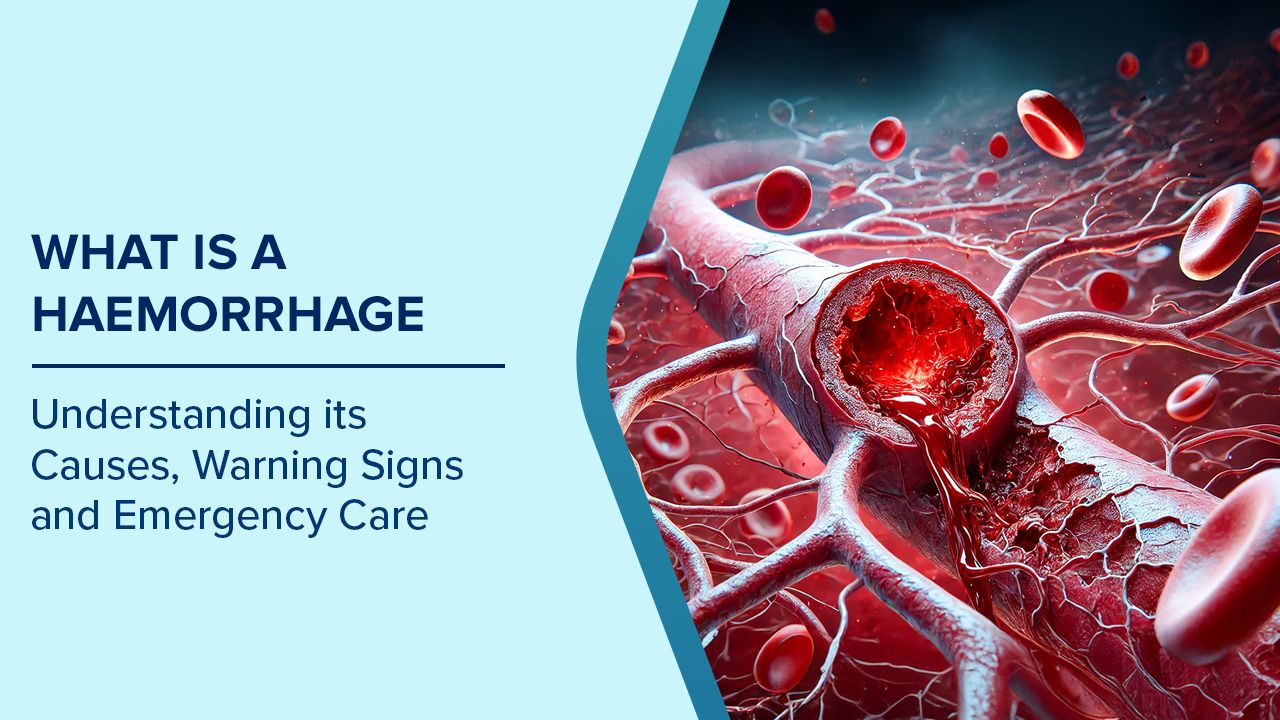
A haemorrhage happens when a blood vessel is damaged and blood escapes the circulatory system. This rapid blood loss is a medical emergency because the body quickly loses blood volume, causing blood pressure to drop sharply. This leads to hypovolaemic shock, a life-threatening state where the heart cannot pump enough oxygen-carrying blood to sustain vital organs such as the brain and heart.
What are the Types of Haemorrhage?
Haemorrhage can be classified in multiple ways, depending on factors such as the type of blood vessel involved, the location, the underlying cause, or the severity of blood loss.
1. By Blood Vessel Type
- Arterial Haemorrhage: Arteries carry oxygen-rich blood from the heart to the body under high pressure. When an artery is damaged, blood is bright red and spurts with each heartbeat. This type of bleeding can lead to rapid and substantial blood loss, making it immediately life-threatening and requiring urgent medical intervention.
- Venous Haemorrhage: Veins return blood to the heart under lower pressure. Bleeding from a vein is darker red and flows steadily rather than spurting. Although slower than arterial bleeding, venous haemorrhage can still result in significant blood loss and must be controlled promptly.
- Capillary Haemorrhage: Capillaries are the smallest blood vessels, and bleeding from them typically results in slow oozing. It is generally less severe and may stop naturally, but widespread capillary bleeding or persistent loss can still pose a risk, especially in patients with clotting disorders.
2. By Location
- External Haemorrhage: Visible bleeding outside the body, such as from cuts, lacerations, or wounds. While external haemorrhage is easier to detect, it can still be life-threatening if not managed correctly.
- Internal Haemorrhage: Bleeding that occurs inside the body, including organs, body cavities, or tissues. Internal haemorrhage may not be immediately apparent and can cause symptoms like dizziness, weakness, or abdominal swelling. It is particularly dangerous because it can progress rapidly without visible signs.
3. By Cause
- Traumatic Haemorrhage: Results from physical injuries such as accidents, falls, or surgical procedures. Prompt first aid is essential to control blood loss and prevent complications.
- Medical or Spontaneous Haemorrhage: Occurs due to underlying medical conditions, including bleeding disorders, ulcers, aneurysms, or certain infections. These may develop gradually or suddenly, depending on the condition.
- Postpartum Haemorrhage: Severe bleeding after childbirth, which can occur immediately (primary) or within weeks (secondary). It is a leading cause of maternal complications and requires rapid intervention.
What Causes Haemorrhage?
Haemorrhage can arise from a wide range of factors, from sudden external injuries to underlying medical conditions.
Traumatic Causes
Physical injuries are one of the most common reasons for haemorrhage. They can cause blood vessels to rupture, leading to rapid and sometimes severe blood loss. Traumatic causes include:
- Accidents: Road traffic collisions, slips, falls, and sports-related injuries can damage major or minor blood vessels.
- Cuts, lacerations, and puncture wounds: Sharp objects, machinery, or household incidents can tear blood vessels.
- Surgical or procedural injuries: Medical interventions, including surgeries, injections, or invasive procedures, can accidentally damage blood vessels.
Medical Causes
Certain health conditions can trigger haemorrhage without any external trauma. These include:
- Bleeding disorders: Conditions like haemophilia, von Willebrand disease, or low platelet counts impair the body’s ability to form clots, increasing the risk of spontaneous bleeding.
- Gastrointestinal conditions: Ulcers, varices, or diverticulosis can erode blood vessels in the digestive tract, leading to internal bleeding.
- Aneurysms or weakened blood vessels: Abnormally dilated or fragile arteries can rupture suddenly, causing life-threatening haemorrhage.
- Infections and inflammation: Severe infections or inflammatory conditions can damage blood vessel walls and trigger bleeding.
- Tumours or cancer: Certain cancers can invade blood vessels, leading to internal bleeding over time.
Postpartum Related Causes
Excessive bleeding after childbirth, known as postpartum haemorrhage, is a significant cause of maternal complications and can be life-threatening. Common causes include:
- Uterine atony: The uterus fails to contract effectively after delivery, preventing normal clot formation.
- Trauma to the birth canal: Tears or lacerations during labour can result in substantial blood loss.
- Retained placental tissue or blood clots: Remaining tissue or clots can interfere with normal clotting and uterine contraction.
Nutritional and Other Contributing Factors
- Vitamin deficiencies: A deficiency in vitamin K, essential for clotting, can lead to excessive bleeding.
- Severe malnutrition or liver disease: Both conditions reduce the production of clotting factors, increasing bleeding risk.
- Age-related vessel fragility: Elderly individuals may have weaker or more brittle blood vessels, which can rupture even with minor trauma.
Haemorrhage can develop suddenly or gradually, and its severity can range from minor to life-threatening.
What are the Warning Signs of Haemorrhage?
Recognising the warning signs of haemorrhage early can save lives. Rapid blood loss can quickly become life-threatening, so knowing what to look for is crucial.
- Excessive bleeding: From wounds or injuries; may appear bright red and spurting (arterial) or dark red and steady (venous).
- Unexplained bruising or swelling: Sudden, large bruises or swelling may suggest internal bleeding.
- Dizziness or fainting: Reduced blood flow to the brain can cause lightheadedness or loss of consciousness.
- Rapid heartbeat and breathing: The body tries to maintain oxygen delivery to vital organs.
- Pale, cold, or clammy skin: Circulation is prioritised to essential organs, reducing blood flow to the skin.
- Weakness or fatigue: Muscles and organs receive less oxygen, causing tiredness and difficulty performing normal activities.
- Confusion, agitation, or disorientation: Oxygen deprivation affects brain function, leading to mental changes.
- Low blood pressure: A sign of severe or prolonged blood loss, which can lead to shock.
- Coughing or vomiting blood: May indicate bleeding in the lungs or gastrointestinal tract.
- Blood in urine or stool: Suggests internal bleeding in the urinary or digestive system.
- Severe headache, vision changes, or neurological symptoms: Could indicate intracranial bleeding or brain pressure.
How Can One Provide Emergency Care in Case of Haemorrhage?
Haemorrhage can become life-threatening very quickly, so knowing how to act immediately is crucial. The following steps outline essential first aid measures that can help control bleeding and stabilise the person until professional medical help arrives.
1. Stay Calm and Assess the Situation
The first priority is safety, so, make sure the area is safe for both the injured person and the rescuer. Quickly evaluate the source and severity of bleeding. Identify whether the bleeding is external or internal, and determine if immediate interventions like direct pressure or a tourniquet are necessary. Staying calm helps you act efficiently and reassures the injured person.
2. Apply Direct Pressure on the Wound
Direct pressure on the bleeding site is the most effective method to slow or stop blood loss. Use a clean cloth, sterile gauze, or even your hand, and press firmly on the wound. Maintain pressure without lifting to check the wound frequently, as this may disrupt clotting. If possible, elevate the injured limb above heart level to reduce blood flow to the area, but avoid movement if fractures or internal injuries are suspected.
3. Use a Tourniquet in Severe Cases
In situations where bleeding cannot be controlled with direct pressure and the situation is life-threatening, a tourniquet may be applied above the wound. Ensure it is tight enough to stop arterial flow and note the exact time of application. Tourniquets must be used only when absolutely necessary, and medical attention should be sought immediately, as prolonged use can cause tissue damage.
4. Keep the Person Warm and Comfortable
Rapid blood loss can lead to hypothermia, which worsens shock. Cover the person with a blanket or clothing and encourage them to stay calm and still. Limiting movement reduces strain on the cardiovascular system and helps maintain stability until help arrives.
5. Monitor Vital Signs
Continuously observe the injured person for signs of shock or deterioration. Key signs include rapid breathing, weak or irregular pulse, pale or clammy skin, confusion, or dizziness. Be prepared to perform CPR if the person loses consciousness or stops breathing. Continuous monitoring can alert you to worsening conditions and guide further action.
6. Avoid Certain Harmful Things
Do not remove deeply embedded objects, as this can worsen bleeding. Avoid giving food or drink if surgery may be required. Never use unsterilised materials that could introduce infection. Following these precautions helps prevent additional complications while waiting for medical professionals.
How is Haemorrhage Treated?
The treatment of haemorrhage depends on the severity, location, and underlying cause of the bleeding. The primary objectives are to stop the bleeding, restore blood volume, maintain oxygen supply to vital organs, and prevent complications such as shock or organ failure.
Direct Pressure and First Aid
Immediate measures are crucial in managing haemorrhage. Applying firm, direct pressure on the wound, elevating the affected limb if possible, and using a tourniquet in severe cases can control external bleeding before professional care is available. These steps are often life-saving and help stabilize the patient during transport to a medical facility.
Fluid Replacement
Rapid blood loss can lead to decreased blood pressure and reduced oxygen delivery to organs. Intravenous fluids, such as saline or Ringer’s lactate, are administered to maintain circulation and support organ function until further treatment, such as transfusion or surgery, can be given.
Blood Transfusions
In cases of significant blood loss, transfusions are administered to replace lost red blood cells and improve oxygen-carrying capacity. This intervention is critical for patients with severe haemorrhage to prevent shock, organ failure, and death.
Medications
Medications may be prescribed to support clotting, constrict blood vessels, or treat underlying conditions that increase bleeding risk. For example, clot-promoting drugs can help stabilise the patient, while medications for bleeding disorders or coagulopathies target the root cause of haemorrhage.
Surgical Intervention
Surgery is often required for internal or uncontrolled bleeding. Procedures may include repairing damaged blood vessels, removing blood clots, or stopping bleeding in organs or tissues. Diagnostic tools such as CT scans, endoscopy, or angiography are used to precisely locate internal bleeding before surgery. Timely surgical intervention is critical for preventing further blood loss and life-threatening complications.
Consult Today
Knowing when and how to act quickly can truly prove to be life-saving in cases of haemorrhage. However, once the bleeding is controlled via first-aid, the job is not finished. Severe blood loss, especially internal bleeding, requires professional medical attention to ensure all damage is found and fixed. If you or someone you care about has suffered a haemorrhage, or if you suspect you have an underlying condition causing unexplained bleeding, it is important to speak to a specialist. Consult a specialist at Max Hospital, such as a Vascular Surgeon or a Haematologist who can assess complex internal issues, manage vessel damage, or diagnose and treat blood clotting disorders.
Frequently Asked Questions (FAQs)
Can minor cuts or nosebleeds cause haemorrhage?
Most minor cuts and nosebleeds are not dangerous. However, people with bleeding disorders, those taking blood-thinning medications, or individuals with certain medical conditions may face increased risk, where even seemingly small bleeding episodes can become serious. Monitoring and timely intervention are important in such cases.
How quickly can haemorrhage become life-threatening?
The speed at which haemorrhage becomes dangerous depends on the type and location of bleeding. Arterial bleeding or internal bleeding in organs like the liver, spleen, or brain can become life-threatening within minutes. Rapid recognition and immediate action are therefore essential.
Can haemorrhage occur without visible bleeding?
Yes, internal bleeding may not be obvious initially. Signs such as abdominal pain, swelling, dizziness, fainting, pale skin, or sudden weakness may indicate hidden haemorrhage. Prompt medical evaluation is crucial even if no external bleeding is visible.
Are some people more at risk of haemorrhage than others?
Certain groups are more vulnerable, including people with clotting disorders, those on anticoagulants, elderly individuals, patients with liver disease, ulcers, or other medical conditions that affect blood clotting. Awareness and preventive care are especially important for these high-risk groups.
How is haemorrhage diagnosed in a hospital?
Doctors may use a combination of physical examination, blood tests, and imaging studies such as CT scans, ultrasounds, endoscopy, or angiography to locate the source and determine the severity of bleeding. Accurate diagnosis is crucial for planning effective treatment.
Can haemorrhage recur after treatment?
Recurrence depends on the underlying cause. Conditions such as ulcers, aneurysms, or blood clotting disorders may lead to repeat bleeding episodes. Follow-up care, monitoring, and addressing the root cause are essential to prevent future incidents.
What long-term effects can severe haemorrhage have?
Severe or untreated haemorrhage can lead to complications such as organ damage, reduced oxygen supply to tissues, long-term fatigue, or delayed recovery. Early intervention and ongoing medical care help reduce these risks and support full recovery.
Is there anything that can be done to prevent haemorrhage?
Preventive measures depend on the cause. General strategies include taking safety precautions to avoid injuries, managing chronic conditions, following medical advice for medications, maintaining a healthy lifestyle, and seeking timely treatment for any medical issues that could increase bleeding risk.
How soon should someone seek medical attention for bleeding?
Immediate medical attention is necessary for any bleeding that is severe, continuous, or accompanied by dizziness, weakness, confusion, or signs of shock. Internal bleeding or cases involving high-risk patients require urgent evaluation even if the bleeding is not visible externally.
Do children experience haemorrhage differently from adults?
Children may show faster signs of shock or distress due to their smaller blood volume. Symptoms such as rapid heartbeat, pale skin, weakness, or irritability can indicate serious blood loss. Rapid recognition and first aid are especially important in paediatric cases.
Written and Verified by:

Related Blogs

Dr. Tamorish Kole In Emergency & Trauma , Emergency Medicine
Nov 07 , 2020 | 2 min read


Dr. Tamorish Kole In Emergency & Trauma
Feb 02 , 2017 | 1 min read
Blogs by Doctor

First Aid for Seizures: What to Do And Not to Do
Dr. Kamal Palta In Emergency & Trauma
Mar 07 , 2022 | 1 min read
Most read Blogs

Related Blogs
Dr. Tamorish Kole In Emergency & Trauma , Emergency Medicine
Nov 07 , 2020 | 2 min read
Dr. Tamorish Kole In Emergency & Trauma
Feb 02 , 2017 | 1 min read
Blogs by Doctor
First Aid for Seizures: What to Do And Not to Do
Dr. Kamal Palta In Emergency & Trauma
Mar 07 , 2022 | 1 min read
Most read Blogs