 WhatsApp Us (24/7)
 +91 926 888 0303 (24/7)


To Book an Appointment
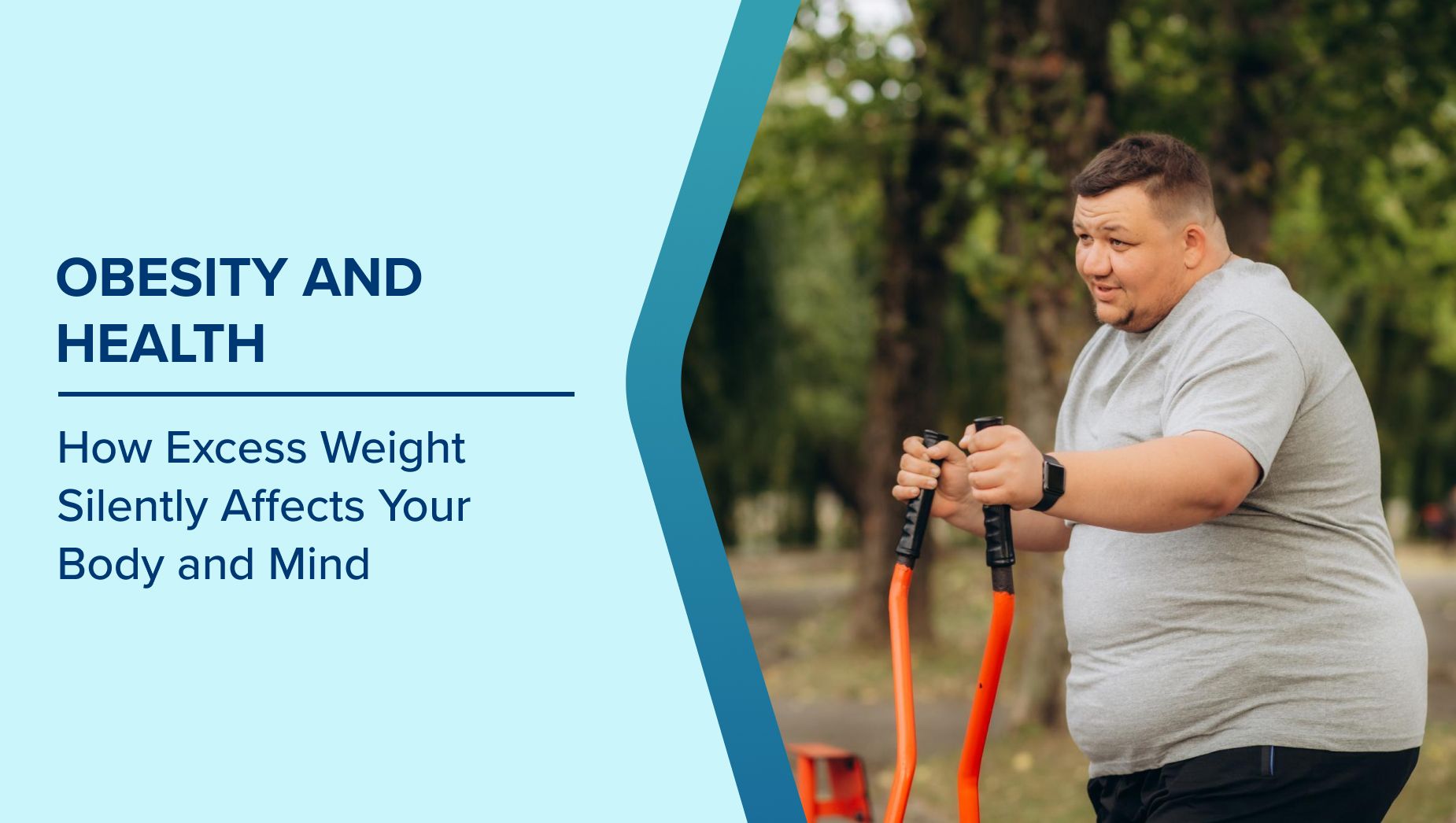
Call Us+91 926 888 0303Obesity and Health: How Excess Weight Silently Affects Your Body and Mind
By Dr. Randeep Wadhawan in General Surgery , Metabolic And Bariatric Surgery , Laparoscopic / Minimal Access Surgery , Robotic Surgery
Jan 06 , 2026 | 4 min read

Obesity is not just about appearance or a few extra kilos. It is a complex health condition that quietly affects nearly every organ system in the body. What may start as mild weight gain can, over time, increase the risk of serious diseases, reduce energy levels, and impact mental health.
In today’s fast-paced lifestyle filled with processed foods, stress, and reduced physical activity, obesity has become one of the most common yet underestimated health challenges worldwide. Understanding how excess weight affects your body and mind is the first step toward reclaiming good health and long-term wellbeing.
What Is Obesity?
Obesity is characterised by the excessive accumulation of body fat, which can have a profoundly negative impact on a person’s health. It occurs when calorie intake exceeds the calories burned by daily activity and metabolism. Over time, this imbalance leads to fat storage in various parts of the body.
How Obesity Is Measured
Doctors evaluate obesity using the Body Mass Index (BMI). BMI is calculated by dividing a person’s weight (in kilograms) by the square of their height (in meters).
- A BMI of 18.5–24.9 is considered healthy.
- 25–29.9 indicates overweight.
- 30 or above signals obesity.
Other important measures include waist circumference and waist-to-hip ratio, which help identify abdominal or visceral fat, the type most linked to heart disease and diabetes.
Common Causes of Obesity
A single factor does not cause obesity. It usually results from a combination of influences, including:
- Unhealthy diet: Regular consumption of processed foods, sugary drinks, and high-fat snacks.
- Sedentary lifestyle: Long hours of sitting, minimal physical activity, and lack of exercise.
- Genetic predisposition: A family history can influence how your body stores and utilises fat.
- Hormonal and metabolic imbalances: Conditions like hypothyroidism or polycystic ovary syndrome (PCOS) can contribute to weight gain.
- Environmental and psychological factors: Stress, emotional eating, and easy access to calorie-dense foods can accelerate weight gain.
Health Impacts of Obesity
Obesity is not just about size or shape. It is a chronic condition that affects almost every organ system and increases the risk of several life-threatening diseases.
Heart Disease and Stroke
Excess body fat puts pressure on the heart, leading to high cholesterol and plaque buildup in arteries. This condition, known as atherosclerosis, raises the risk of heart attack and stroke.
Obesity also raises blood pressure and triglyceride levels, which further strain cardiovascular health.
Type 2 Diabetes
Obesity is the major cause of Type 2 diabetes. Fat cells release inflammatory chemicals, causing insulin resistance, which elevates glucose and damages organs.
Hypertension (High Blood Pressure)
Being overweight forces the heart to work harder, leading to hypertension, which can cause heart failure, kidney disease, and vision loss.
Sleep Apnea and Breathing Problems
Obesity narrows airways, causing obstructive sleep apnea, leading to poor sleep and increased cardiovascular risk.
Fatty Liver Disease
Fat buildup in the liver leads to NAFLD, which can progress to inflammation and cirrhosis.
Joint and Mobility Issues
Excess weight stresses joints and increases the risk of osteoarthritis and chronic pain.
Mental Health Impact
Obesity can lead to low self-esteem, anxiety, and depression.
Increased Cancer Risk
Obesity is linked with several cancers, including:
- Breast cancer
- Colon and rectal cancer
- Endometrial cancer
- Kidney and liver cancer
- Pancreatic cancer
Excess fat alters hormones and increases inflammation, promoting cancer growth.
The Connection Between Obesity and Lifestyle
Your daily choices regarding food, activity, sleep, and stress deeply influence weight.
Diet and Nutrition
A diet high in refined carbohydrates, sugary beverages, and fast food contributes to obesity. A balanced diet with whole foods supports health.
Mindful eating, portion control, and avoiding emotional eating are essential habits.
Physical Activity
Regular activity boosts metabolism and improves overall health.
- Aim for at least 150 minutes of moderate activity weekly.
- Include strength training twice a week.
Simple habits like walking after meals can make a big difference.
Sleep
Poor sleep disrupts hunger hormones and increases cravings. Adults need 7–9 hours of good sleep daily.
Stress Management
Chronic stress releases cortisol, promoting belly fat. Techniques like yoga, meditation, and deep breathing help.
Hormonal Imbalance
Conditions like thyroid issues, PCOS, and menopause affect metabolism. Regular checkups are important.
Prevention and Management of Obesity
Obesity is manageable with lifestyle changes and medical support.
Adopt a Balanced Diet
- Eat fibre-rich foods like fruits and vegetables.
- Limit processed, sugary, and fried foods.
- Eat smaller, frequent meals.
- Stay hydrated.
Be Physically Active
Include both aerobic and strength exercises.
Prioritise Sleep and Rest
Maintain a consistent sleep schedule and limit screens before bed.
Manage Stress
Use healthy coping strategies like mindfulness and journaling.
Medical and Surgical Options
When lifestyle changes aren’t enough, medical treatments help.
- Nutritional counselling: Dietitians provide personalised plans.
- Medications: Can regulate appetite and fat absorption.
- Bariatric surgery: Procedures like gastric bypass help in long-term weight loss.
Role of Healthcare Professionals
Multidisciplinary care involving dietitians, psychologists, physiotherapists, and doctors ensures safe and sustainable results.
Living Beyond Numbers
Obesity management is about improving energy, mood, confidence, and health—not chasing a number on the scale.
- Replacing sugary drinks with water
- Walking after meals
- Eating slowly
- Sleeping on time
- Celebrating progress
Early action can prevent complications and improve life quality.
Consult a healthcare professional for personalised guidance.
Conclusion
Obesity is complex yet preventable. Healthy eating, activity, and professional support can change your life.
Your health journey starts today. Speak to an expert for safe weight management.
Frequently Asked Questions
Can obesity be reversed naturally without surgery?
Yes, many people reverse obesity through lifestyle changes, though severe cases may need medical support.
How does lack of sleep contribute to obesity?
Poor sleep disrupts hunger hormones, increases cravings, and lowers activity levels.
Are thin people ever at risk of obesity-related diseases?
Yes, individuals with normal weight but high body fat (“MONW”) face risks like diabetes and heart disease.
What are the early warning signs of unhealthy weight gain?
Early signs include increased fatigue, cravings, reduced activity, and gradual waistline increase.
How can parents prevent childhood obesity effectively?
Encourage children to eat fresh, home-cooked meals, limit screen time, and promote outdoor activities. Leading by example is key, when parents prioritise healthy habits, children are more likely to follow.
Written and Verified by:

Related Blogs

Medical Expert Team
Oct 20 , 2015 | 1 min read
Dr. Vishwas Sharma In General Surgery
Apr 23 , 2015 | 1 min read

Dr. Yogesh Agarwala In General Surgery , Laparoscopic / Minimal Access Surgery , Bariatric Surgery / Metabolic
Apr 20 , 2016 | 1 min read
Blogs by Doctor
Most read Blogs

Related Blogs
Medical Expert Team
Oct 20 , 2015 | 1 min read
Dr. Vishwas Sharma In General Surgery
Apr 23 , 2015 | 1 min read
Dr. Yogesh Agarwala In General Surgery , Laparoscopic / Minimal Access Surgery , Bariatric Surgery / Metabolic
Apr 20 , 2016 | 1 min read
Blogs by Doctor
Most read Blogs