 WhatsApp Us (24/7)
 +91 926 888 0303 (24/7)


To Book an Appointment
Call Us+91 926 888 0303Overtraining: Signs, Side Effects, Prevention and Overtraining Recovery Tips
By Dr. Kunal Aneja in Orthopaedics & Joint Replacement , Arthroscopy & Sports Injury
Jan 05 , 2026 | 4 min read

In the world of fitness, pushing your limits can feel rewarding. You're motivated, focused, and determined to reach your goals. But sometimes, too much of a good thing can backfire. That's where overtraining comes in. If you've ever wondered why you're feeling tired despite working out more or why you're not making progress even with consistent effort, overtraining might be the culprit.
What is Overtraining, and Why Does it Matter?
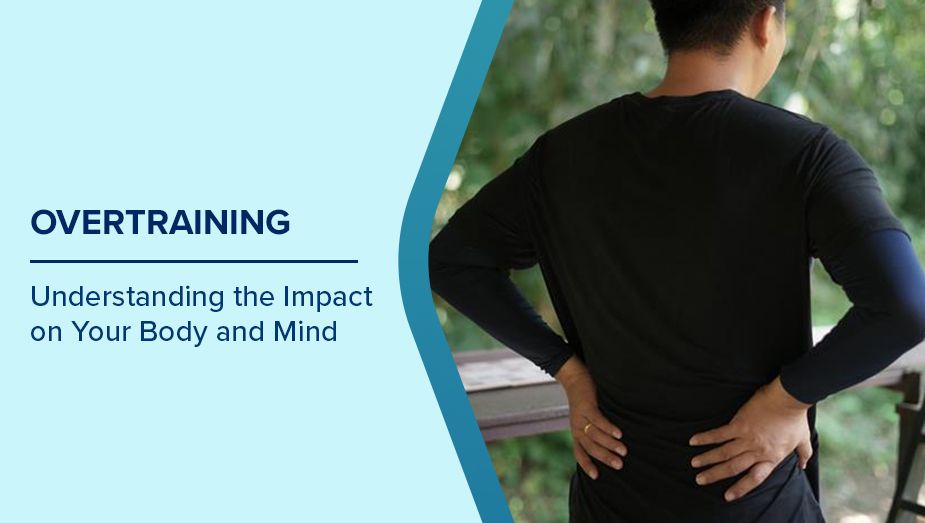
Overtraining happens when you exercise too frequently or intensely without giving your body enough time to rest and recover. It's not just about training hard. It's about training smart.
When recovery doesn't match the effort you put in, it leads to physical and mental exhaustion, increased risk of injury, and a decrease in overall performance. Many fitness lovers, athletes, and even beginners fall into this trap, thinking more is always better.
But your body needs balance. And ignoring the warning signs of overtraining can do more harm than good.
Physical Impact of Overtraining
Your body thrives on a cycle of activity and rest. When that balance is broken, overtraining begins to take its toll in the following ways:
- Muscle Breakdown Instead of Growth: Overtraining can lead to muscle fatigue, soreness, and even breakdown. When you don't give your muscles enough time to repair, your strength and performance may drop. Instead of building muscle, you might actually start losing it.
- Weakened Immune System: Exercising moderately boosts immunity. However, excessive training without rest can have the opposite effect. You might find yourself catching colds more often or feeling run-down. That's your body telling you it's overstressed.
- Digestive Disruption: Yes, overtraining can also affect your gut. Chronic physical stress can interfere with digestion, appetite, and even nutrient absorption, leaving you feeling bloated, fatigued, or lacking energy.
- Increased Risk of Injuries: When your muscles and joints don't get enough recovery time, they become more prone to sprains, strains, and stress fractures. Injuries can set you back for weeks, sometimes even longer.
Mental and Emotional Impact of Overtraining
Overtraining can deeply affect your mental well-being, too.
- Mental Burnout from Exercise: You may start dreading workouts, even if you once enjoyed them. This is a clear sign of mental burnout from exercise. Your mind, like your body, needs time to reset.
- Mood Swings and Anxiety: Excessive physical stress affects your hormonal balance. This may lead to mood swings, irritability, and even anxiety or depression. If you're feeling unusually emotional or down, it could be linked to overtraining.
- Loss of Motivation: When you're putting in more effort but seeing fewer results, it's easy to feel discouraged. This loss of motivation is another key sign that your body and mind are overwhelmed.
Common Warning Signs You Are Overtraining
Recognising the early symptoms of overtraining can help you take timely action. Here are some red flags to watch out for:
- Persistent muscle soreness that lasts more than 3 days
- Drop in performance or strength levels
- Poor sleep or restlessness at night
- Elevated heart rate even during rest
- Constant fatigue or low energy
- Lack of appetite
- Feeling anxious or irritable
- Losing interest in workouts
If you notice several of these signs, it's time to step back and give your body the break it needs.
Prevention and Overtraining Recovery Tips
Getting back on track starts with prioritising recovery. These practical tips can help your body and mind heal:
- Prioritise Quality Sleep: Sleep is when most of the body's repair work happens. Aim for 7 to 9 hours of quality sleep each night to support muscle recovery and hormonal balance.
- Nutrition for Recovery: Fuel your body with a balanced diet rich in protein, complex carbs, healthy fats, and plenty of fruits and vegetables. Post-workout nutrition is especially important. Don't skip meals.
- Take Rest Days Seriously: Incorporate at least one to two rest days each week. This doesn't mean being completely inactive. Gentle walks or stretching can keep the body moving without adding strain.
- Listen to Your Body: You don't have to follow rigid workout schedules. If you're feeling tired, sore, or emotionally drained, take a break or switch to low-impact activities like yoga or swimming.
- Cross-Training and Variety: Mix up your workout routine to avoid repetitive strain. Alternate between strength training, cardio, flexibility, and rest. This also keeps your mind engaged and reduces burnout.
Conclusion
Working hard in the gym is great, but working smart is better. Overtraining doesn't just slow down your progress; it can harm your health, both physically and emotionally. By tuning in to your body, allowing time to recover, and making balanced choices, you can achieve better, long-lasting results.
Remember, fitness is a journey, not a race. Respect your limits, stay consistent, and take good care of your body. It's the only one you've got.
Frequently Asked Questions
Can overtraining cause hormonal imbalance?
Yes, overtraining can impact hormones such as cortisol (the stress hormone), testosterone, and even thyroid hormones. This may lead to fatigue, mood swings, and changes in metabolism or menstrual cycles in women.
Is it safe to work out when feeling sore?
Mild soreness is common, but if you're extremely sore or tired, it's better to rest or opt for a light recovery session. Working out through deep soreness can increase your risk of injury.
How long does it take to recover from overtraining?
Recovery depends on the severity. Mild overtraining may take a few days, while more severe cases may require weeks. Full recovery includes rest, proper nutrition, hydration, and sleep.
Does overtraining affect sleep quality?
Yes, many people report trouble falling asleep or staying asleep when they're overtrained. This happens because stress hormones remain elevated, disrupting your natural sleep cycle.
Are endurance athletes more prone to overtraining?
Endurance athletes, such as runners, cyclists, and swimmers, are at a higher risk due to the long duration and intensity of their training. That's why scheduled rest days and monitoring performance are essential for them.
Written and Verified by:

Related Blogs


Dr. Ashish Jain In Orthopaedics & Joint Replacement
Nov 07 , 2020 | 1 min read

Dr. Raju Easwaran In Orthopaedics & Joint Replacement
Nov 07 , 2020 | 7 min read
Most read Blogs

Related Blogs
Dr. Ashish Jain In Orthopaedics & Joint Replacement
Nov 07 , 2020 | 1 min read
Dr. Raju Easwaran In Orthopaedics & Joint Replacement
Nov 07 , 2020 | 7 min read
Most read Blogs