 WhatsApp Us (24/7)
 +91 926 888 0303 (24/7)


To Book an Appointment
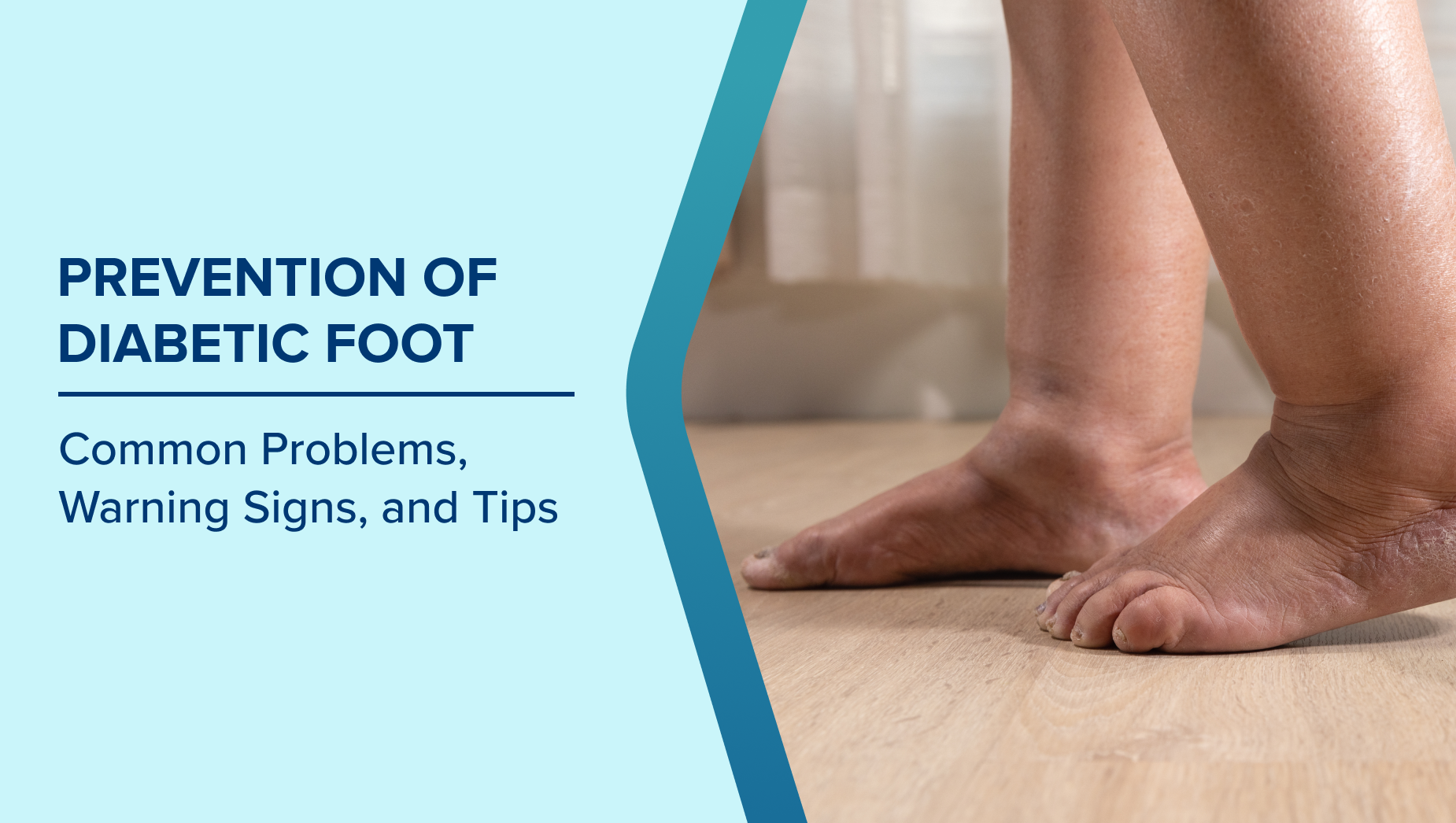
Call Us+91 926 888 0303Prevention of Diabetic Foot: Common Problems, Warning Signs, and Tips
By Dr. Achintya Sharma in Vascular Surgery
Jan 06 , 2026 | 4 min read

If you’re living with diabetes, you likely know it can affect your blood sugar, eyes, kidneys, and heart. But did you know that your feet can also be at risk? Diabetic foot problems are common and can become serious if not caught early. In fact, something as small as a blister or cut can turn into a foot ulcer or even lead to amputation if ignored.
Why Are Diabetic Foot Problems So Common?
High blood sugar levels over time can damage nerves (a condition known as diabetic neuropathy) and reduce blood flow to the feet. This makes it hard to feel pain or detect injuries. Poor circulation also means wounds heal more slowly, creating the perfect storm for infections, ulcers, and complications.
Warning Signs of Diabetic Foot Problems
Spotting trouble early is the key. Here are some common diabetic foot symptoms to never ignore:
- Numbness or tingling in your feet or toes
- Burning or sharp pain that feels unusual
- Sores or blisters that don’t heal quickly
- Redness, swelling, or warmth around a cut
- Cracked heels or dry skin that may bleed
- Changes in skin colour (dark patches, pale areas)
- Foot deformities or misshapen toes
- Foul odour or discharge from a wound
Most Common Diabetic Foot Problems
Understanding what might happen helps you stay prepared. Here are the most frequent foot problems in diabetes:
- Foot Ulcers: Open sores, usually on the bottom of the foot. They may start small but can get deeper and infected if not treated properly.
- Infections: Even a small cut can lead to a serious infection. Without early treatment, infections can spread to bones and tissue.
- Neuropathy: Loss of sensation due to nerve damage. You might step on something sharp and never feel it until it becomes a bigger issue.
- Charcot Foot: A rare but serious condition where weakened bones in the foot fracture and collapse. It can cause severe deformity.
- Poor Circulation: When blood doesn’t flow well to your feet, your body has a harder time healing cuts, blisters, or sores.
Tips to Prevent Diabetic Foot Problems
Most diabetic foot problems are preventable with the right care. Here’s how to protect your feet every day:
- Check Your Feet Daily: Look for cuts, swelling, redness, or blisters. Use a mirror if needed, or ask a family member for help.
- Wash and Moisturise: Wash your feet daily in warm (not hot) water. Dry them thoroughly, especially between the toes. Use a gentle moisturiser to prevent dry, cracked skin—but don’t apply lotion between the toes, as this can lead to fungal growth.
- Trim Nails Carefully: Cut toenails straight across and file the edges. Avoid cutting too deep or digging into corners, which can cause ingrown toenails.
- Wear Proper Footwear: Choose shoes that fit well, have good cushioning, and don’t rub. Avoid high heels, open-toe sandals, or shoes with hard soles. Consider diabetic shoes or custom orthotics if needed.
- Avoid Walking Barefoot: Always wear socks and shoes—even at home. Walking barefoot increases the risk of stepping on something sharp without feeling it.
- Control Your Blood Sugar: Stable blood sugar helps prevent nerve damage and improves wound healing. Follow your medication plan, eat a balanced diet, and stay active.
- Quit Smoking: Smoking narrows blood vessels and reduces circulation, which makes it harder for wounds to heal. Quitting smoking is a huge step toward better foot and overall health.
Diabetic Foot Care Tips for Long-Term Health
Managing your foot health is a lifelong commitment. Here are a few more foot care tips for people with diabetes:
- Schedule regular foot exams with your doctor or a podiatrist.
- Keep your toenails trimmed and your feet clean and dry.
- Wear seamless socks to avoid skin irritation.
- Avoid heating pads or hot water bottles on your feet—nerve damage can make it hard to sense if they’re too hot.
- Elevate your feet when sitting to promote better blood flow.
These habits lower the risk of serious foot complications—and may even avoid hospital visits altogether.
When to See a Doctor
Sometimes, home care isn’t enough. Contact your doctor right away if you notice:
- A foot wound that doesn’t improve within a few days
- Swelling or redness spreading around a wound
- Black tissue (which could signal gangrene)
- Fever or chills along with a foot wound
- Foot pain that’s getting worse instead of better
Early medical attention can prevent complications and keep you walking comfortably.
Conclusion
Diabetic foot problems may seem scary, but with the right steps, they’re highly manageable. From checking your feet daily to wearing the right shoes and managing your blood sugar, prevention really is the best medicine. Stay informed, take action early, and work closely with your healthcare team to keep your feet—and your life—on the right track.
Frequently Asked Questions
How often should I get my feet checked if I have diabetes?
You should have a professional foot exam at least once a year or more frequently if you’ve had past issues like ulcers or infections.
Are there specific shoes made for diabetic patients?
Yes, diabetic shoes are designed to reduce pressure, avoid friction, and support healthy circulation. A podiatrist can help you choose the right pair.
Can foot problems in diabetes be reversed?
Some early-stage issues like dry skin or mild infections can be treated, but nerve damage (neuropathy) is often permanent. That’s why prevention is key.
Is diabetic foot pain different from regular foot pain?
Yes, diabetic foot pain often feels like burning, tingling, or numbness due to nerve damage—different from soreness after physical activity.
Do people with prediabetes need to worry about foot care, too?
While foot problems are more common in diagnosed diabetes, it’s still a good idea for people with prediabetes to start healthy foot care habits early.
Written and Verified by:

Related Blogs

Dr. Digvijay Sharma In Vascular Surgery
Jul 08 , 2016 | 3 min read

Dr. Kumud Rai In Cardiac Sciences , Vascular Surgery
Nov 03 , 2016 | 2 min read

Dr. Digvijay Sharma In Vascular Surgery
Jun 29 , 2017 | 1 min read
Blogs by Doctor

Peripheral Artery Disease: All You Need to Know
Dr. Achintya Sharma In Vascular Surgery
Feb 27 , 2024 | 14 min read

Varicose Vein Care for Teachers and Other Long-Hour Professionals
Dr. Achintya Sharma In Vascular Surgery
Sep 17 , 2025 | 4 min read
Most read Blogs

Related Blogs
Dr. Digvijay Sharma In Vascular Surgery
Jul 08 , 2016 | 3 min read
Dr. Kumud Rai In Cardiac Sciences , Vascular Surgery
Nov 03 , 2016 | 2 min read
Dr. Digvijay Sharma In Vascular Surgery
Jun 29 , 2017 | 1 min read
Blogs by Doctor
Peripheral Artery Disease: All You Need to Know
Dr. Achintya Sharma In Vascular Surgery
Feb 27 , 2024 | 14 min read
Varicose Vein Care for Teachers and Other Long-Hour Professionals
Dr. Achintya Sharma In Vascular Surgery
Sep 17 , 2025 | 4 min read
Most read Blogs