 WhatsApp Us (24/7)
 +91 926 888 0303 (24/7)


To Book an Appointment
Call Us+91 926 888 0303What Is Pulmonary Hypertension: Types, Symptoms & Treatment
By Medical Expert Team
Feb 06 , 2026

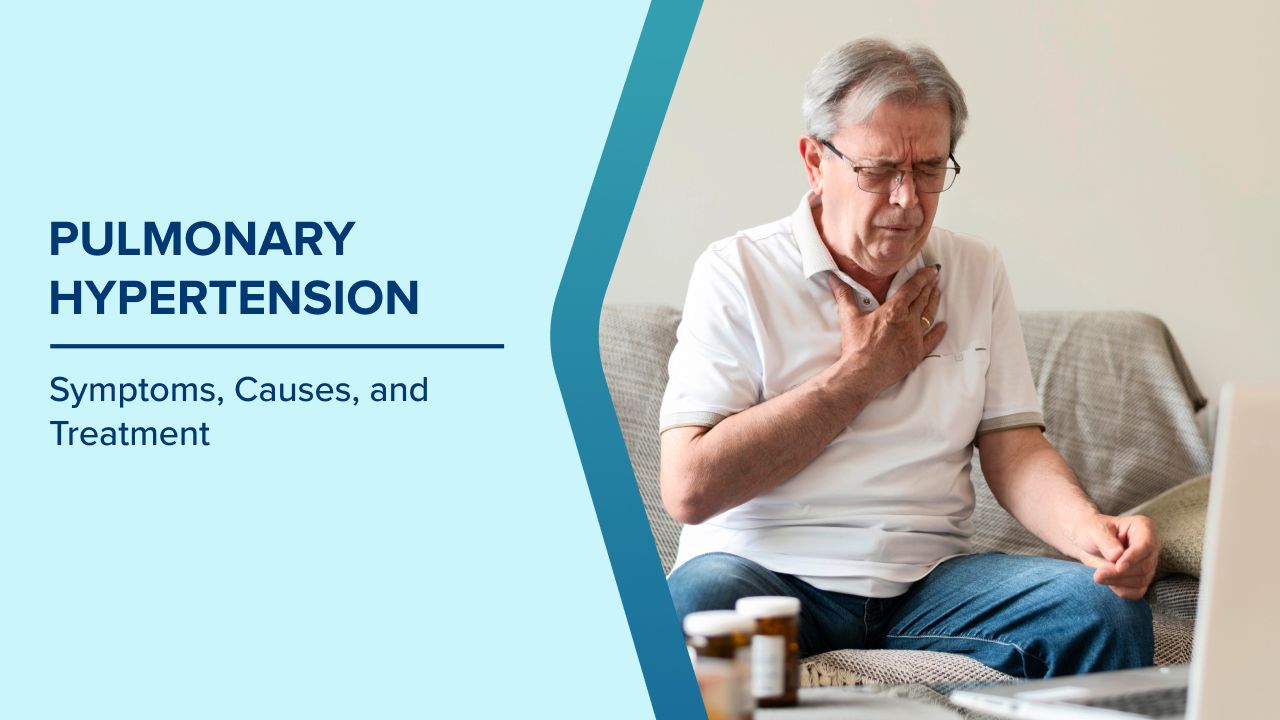
Pulmonary hypertension is a serious condition that affects the blood vessels of the lungs and places strain on the heart. It often develops quietly, with symptoms that can be mistaken for common breathing or heart problems. Because of this, many people are diagnosed only when the condition has progressed.
What Is Pulmonary Hypertension
Pulmonary hypertension occurs when the pressure inside the blood vessels that transport blood from the heart to the lungs rises beyond normal levels. In this condition, the pulmonary arteries may become narrowed, less flexible, or partially blocked, which restricts smooth blood flow.
Because of this resistance, the right side of the heart must work harder to pump blood into the lungs. Over time, this ongoing strain can weaken the heart muscle and impair its function.
It is important to note that pulmonary hypertension differs from common high blood pressure, which involves blood vessels throughout the body rather than those in the lungs.
Why Pulmonary Hypertension Develops
Pulmonary hypertension develops when the pulmonary arteries undergo changes that interfere with normal blood flow. These changes may include tightening of the vessel walls, thickening of the artery lining, or the formation of small clots.
The condition may occur on its own or as a result of other health problems that affect the heart or lungs. In some cases, the exact cause may not be immediately clear, which can delay diagnosis.
Types of Pulmonary Hypertension
Pulmonary hypertension is classified into different types based on the underlying cause. Understanding the type helps guide treatment.
Pulmonary Arterial Hypertension
This form affects the smaller arteries in the lungs and is linked to the narrowing of these vessels. It can occur without a clear cause or be associated with certain medical conditions.
Pulmonary Hypertension Due to Heart Conditions
Problems affecting the left side of the heart can cause blood to back up into the lungs, leading to increased pressure in pulmonary vessels.
Pulmonary Hypertension Due to Lung Diseases
Chronic lung conditions that reduce oxygen levels can lead to narrowing of the pulmonary arteries over time.
Pulmonary Hypertension Due to Blood Clots
Repeated or unresolved clots in the lungs can block blood flow and raise pressure in the pulmonary arteries.
Pulmonary Hypertension with Multiple Factors
Some individuals have pulmonary hypertension linked to a combination of health issues rather than a single cause.
Early Signs and Symptoms to Watch For
Pulmonary hypertension often begins with mild symptoms that gradually worsen. Early recognition is important.
Common symptoms include:
- Shortness of breath during routine activities
- Unusual tiredness or reduced stamina
- Chest discomfort or pressure
- Dizziness or lightheadedness
- Swelling in the ankles, legs, or abdomen
- A racing or irregular heartbeat
As the condition progresses, these symptoms may appear even at rest.
How Pulmonary Hypertension Affects the Heart and Lungs
The lungs rely on smooth blood flow to exchange oxygen efficiently. When pulmonary arteries are narrowed, oxygen delivery becomes less effective.
At the same time, the right ventricle of the heart must pump against increased resistance. Over time, this leads to thickening and weakening of the heart muscle, which can reduce the heart’s pumping ability and cause fluid build-up in the body.
Diagnosing Pulmonary Hypertension
Diagnosis usually involves multiple steps, as symptoms can resemble other heart or lung conditions.
Doctors may use:
- Detailed medical history and physical examination
- Imaging tests to assess heart size and lung structure
- Heart function tests to evaluate pressure levels
- Blood tests to rule out related conditions
Early diagnosis allows treatment to begin before permanent damage occurs.
Treatment Approaches for Pulmonary Hypertension
Although pulmonary hypertension is a long-term condition, treatment focuses on easing symptoms, slowing progression, and improving daily life.
Medications
Treatment may include medicines that relax blood vessels, reduce clot formation, or support heart function.
Oxygen Therapy
Some patients benefit from supplemental oxygen to maintain healthy oxygen levels and reduce strain on the heart.
Managing Underlying Conditions
Treating heart disease , lung conditions, or blood clot disorders can help control pulmonary hypertension.
Lifestyle Adjustments
Simple changes such as balancing activity with rest, avoiding smoking, and managing fluid intake can support overall health.
Living With Pulmonary Hypertension
Daily life with pulmonary hypertension requires planning and self-awareness. Many people learn to recognise their limits and adjust routines to conserve energy.
Maintaining regular follow-up appointments and adhering to treatment plans helps stabilise symptoms and improve quality of life.
Possible Complications If Left Untreated
Without appropriate management, pulmonary hypertension can lead to:
- Right-sided heart failure
- Severe breathing difficulties
- Reduced physical independence
- Increased risk during infections
This highlights the importance of early medical attention when symptoms appear.
When to Seek Medical Advice
Anyone experiencing persistent shortness of breath , unexplained fatigue, or swelling in the lower limbs should seek medical evaluation.
Conclusion
Pulmonary hypertension is a complex condition that affects both the lungs and the heart. With timely diagnosis and appropriate treatment, many individuals are able to manage symptoms and maintain quality of life.
Understanding the condition empowers patients and families to take informed steps towards better health.
Frequently Asked Questions
Can pulmonary hypertension be mistaken for asthma or anxiety?
Yes, early symptoms can resemble asthma or anxiety.
Is pulmonary hypertension contagious?
No, it is not infectious.
Can people with pulmonary hypertension travel by air?
Air travel may be possible depending on oxygen levels and disease severity.
Does pulmonary hypertension affect pregnancy?
It can pose serious risks and requires specialised medical guidance.
Can exercise worsen pulmonary hypertension?
Gentle, supervised activity may help, but intense exercise can be harmful.
Related Blogs

Medical Expert Team
Jun 06 , 2015 | 2 min read


Blogs by Doctor
Arterial Blood Gas (ABG) Test: Purpose, Procedure and Result Interpretation
Dr. Priyanka Aggarwal In Pulmonology
Dec 31 , 2025 | 8 min read
Most read Blogs

Related Blogs
Medical Expert Team
Jun 06 , 2015 | 2 min read
Blogs by Doctor
Arterial Blood Gas (ABG) Test: Purpose, Procedure and Result Interpretation
Dr. Priyanka Aggarwal In Pulmonology
Dec 31 , 2025 | 8 min read
Most read Blogs