 WhatsApp Us (24/7)
 +91 926 888 0303 (24/7)


To Book an Appointment
Call Us+91 926 888 0303Ovarian Cysts and Ovarian Cancer: How Lifestyle Choices Influence Your Risk
By Dr. Divya Sehra in Cancer Care / Oncology , Gynecologic Oncology , Robotic Surgery
Jan 05 , 2026 | 5 min read

Ovarian health is an essential aspect of a woman’s overall well-being, yet it is often overlooked. Ovarian cysts and ovarian cancer are common concerns affecting women worldwide, and many of these risks are influenced by lifestyle choices. Understanding how diet, exercise, stress, and habits impact ovarian health can empower women to make informed decisions and protect themselves.
Understanding Ovarian Cysts and Ovarian Cancer
What Are Ovarian Cysts?
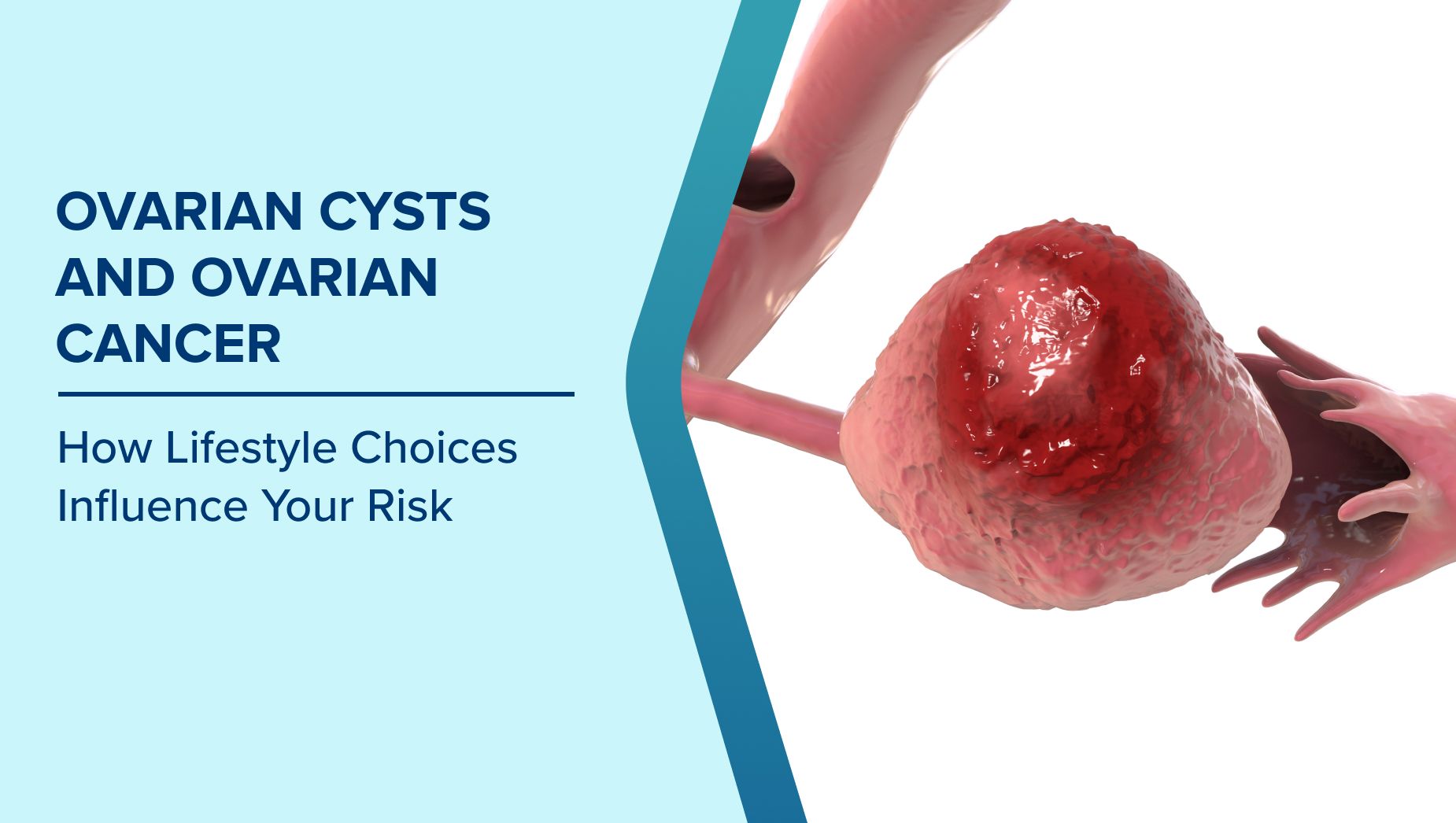
Ovarian cysts are fluid-filled sacs that develop on or within an ovary. They are relatively common and often harmless, especially functional cysts that appear during the menstrual cycle. However, persistent or complex cysts may require medical evaluation.
Common ovarian cyst symptoms include:
- Pelvic pain or pressure
- Bloating or abdominal swelling
- Pain during intercourse or menstruation
- Changes in menstrual cycles
What Is Ovarian Cancer?
Ovarian cancer occurs when abnormal cells in the ovary grow uncontrollably, forming malignant tumours. Detecting the condition early is difficult, as its signs are usually mild and can be confused with other health issues.
Early signs of ovarian cancer may include:
- Unexplained bloating or abdominal fullness
- Persistent pelvic discomfort or pain
- Difficulty eating or feeling full quickly
- Frequent urination
- Fatigue or unexplained weight changes
While ovarian cysts are generally benign, understanding their causes and prevention can also play a role in lowering the risk of ovarian cancer.
Lifestyle Factors That Impact Ovarian Health
Several lifestyle choices can influence both the formation of ovarian cysts and the risk of ovarian cancer. Even minor, regular adjustments to everyday routines can lead to significant results.
Diet and Ovarian Health
Nutrition plays a central role in reproductive health. Certain diets may help reduce the risk of ovarian cysts and support long-term ovarian function.
Healthy diet tips include:
- Increase fruits and vegetables: Rich in antioxidants, these can reduce inflammation.
- Choose whole grains: Replace refined carbs with whole grains to manage blood sugar levels.
- Include lean protein: Fish, poultry, legumes, and low-fat dairy support hormonal balance.
- Limit processed foods and sugar: Excess sugar and processed foods may worsen hormonal imbalances linked to cyst formation.
- Healthy fats: Olive oil, nuts, and seeds can improve overall metabolic and hormonal health.
Women who follow a balanced diet have a lower risk of developing ovarian cysts and may reduce some ovarian cancer risk factors.
Regular Exercise
Physical activity is important for maintaining hormonal balance, managing weight, and reducing inflammation.
Exercise recommendations:
- Aim to perform a minimum of 150 minutes of moderate-intensity aerobic exercise each week.
- Engage in muscle-strengthening exercises at least two to three times per week.
- Activities like walking, swimming, cycling, or yoga can improve overall reproductive health.
Regular exercise can lower estrogen levels and insulin resistance, both of which are linked to ovarian cyst formation and cancer risk.
Weight Management
Obesity and overweight are significant contributors to hormonal imbalance, which can affect ovarian health.
Impact of weight on ovarian health:
- Excess body fat increases estrogen production, contributing to cyst formation.
- Obesity can trigger long-term inflammation, potentially increasing the likelihood of developing ovarian cancer.
- Maintaining a healthy weight by following a nutritious diet and regular physical activity helps regulate hormone levels and promotes healthy ovulation.
Even modest weight loss can improve ovarian function and reduce the likelihood of cyst recurrence.
Hormonal Health
Hormonal fluctuations influence both ovarian cysts and the development of ovarian cancer.
Key points for hormone balance:
- Regular menstrual cycles are a sign of balanced reproductive hormones.
- Certain birth control methods, under medical guidance, can reduce the risk of functional ovarian cysts.
- Polycystic ovary syndrome (PCOS) increases the risk of cyst formation and requires lifestyle management.
Monitoring hormonal health with your gynaecologist is crucial for long-term ovarian care.
Sleep and Stress Management
Chronic stress and poor sleep affect the endocrine system, which regulates reproductive hormones.
Tips to improve sleep and reduce stress:
- Get at least 7–8 hours of quality sleep each night.
- Practice relaxation techniques like meditation, mindful breathing, or practising mindfulness to reduce stress.
- Regular physical activity also reduces stress hormones and supports ovarian health.
Managing stress and getting sufficient rest can lower inflammation and promote hormonal balance, reducing cyst formation and potentially lowering cancer risk.
Avoid Smoking and Limit Alcohol
Smoking and excessive alcohol consumption can increase the risk of ovarian cancer as well as other types of cancer.
Recommendations:
- Avoid tobacco products entirely.
- Limit alcohol intake to moderate levels or avoid it altogether.
- These habits help reduce oxidative stress and support overall reproductive health.
Environmental Factors
Exposure to environmental toxins and endocrine disruptors may influence ovarian health.
Precautions include:
- Reduce use of plastics and BPA-containing products.
- Avoid exposure to pesticides and chemical solvents when possible.
- Choose natural or organic personal care and cleaning products.
Reducing environmental exposure may help maintain hormonal balance and lower the risk of ovarian cysts and cancer.
When to Consult a Doctor
Even with a healthy lifestyle, some cysts or ovarian abnormalities may require medical attention. See a healthcare professional if you notice:
- Persistent pelvic pain or bloating
- Sudden changes in menstrual cycles
- Unexplained weight loss or fatigue
- Family history of ovarian or breast cancer
Regular gynaecological check-ups and screenings can detect issues early, increasing treatment success and reducing complications.
Preventive Tips for Long-Term Ovarian Health
- Schedule regular gynaecological exams, including pelvic ultrasounds if recommended.
- Monitor menstrual cycles and symptoms to identify irregularities early.
- Adopt a balanced diet rich in antioxidants, fibre, and lean protein.
- Exercise consistently and maintain a healthy body weight.
- Manage stress through mindfulness, yoga, or hobbies.
- Avoid smoking and limit alcohol to reduce oxidative stress.
- Prioritise sleep to support hormonal regulation.
- Stay informed about family history and discuss risk factors with your doctor.
Conclusion
Lifestyle choices play a crucial role in protecting ovarian health. Diet, exercise, weight management, sleep, stress reduction, and avoiding harmful habits all contribute to reducing the risk of ovarian cysts and ovarian cancer. Although factors like age and genetics are beyond our control, women can strengthen their reproductive health by embracing healthy lifestyle choices.
Regular medical check-ups, early symptom awareness, and preventive strategies form the cornerstone of ovarian health. By making consistent, positive lifestyle choices, women can minimise risks, support hormonal balance, and enjoy long-term wellness.
Frequently Asked Questions
Can birth control pills affect the risk of ovarian cysts?
Yes, certain birth control pills can prevent the formation of functional ovarian cysts by regulating hormone levels and ovulation.
Does family history increase the impact of lifestyle on ovarian cancer risk?
Family history can raise risk, but a healthy lifestyle with proper diet, exercise, and screenings can still significantly reduce your overall risk.
Is it possible to shrink ovarian cysts naturally?
Some functional cysts resolve on their own with time, rest, and hormonal balance. A doctor should evaluate persistent or complex cysts.
What age group is most affected by lifestyle-related ovarian issues?
Women of reproductive age (20–45) are most susceptible to lifestyle-influenced cyst formation, while cancer risk increases with age.
Can weight loss reduce the chances of ovarian cyst recurrence?
Maintaining a healthy weight through diet and exercise can improve hormonal balance and reduce the likelihood of cyst recurrence.
Written and Verified by:

Related Blogs

Dr. Kanika Batra Modi In Cancer Care / Oncology
Nov 07 , 2020 | 3 min read

Dr. R.Ranga Rao In Medical Oncology , Cancer Care / Oncology , Thoracic Oncology
Nov 07 , 2020 | 2 min read

Dr. Geeta Kadayaprath In Surgical Oncology , Cancer Care / Oncology , Breast Cancer
Nov 07 , 2020 | 5 min read
Blogs by Doctor
Most read Blogs

Related Blogs
Dr. Kanika Batra Modi In Cancer Care / Oncology
Nov 07 , 2020 | 3 min read
Dr. R.Ranga Rao In Medical Oncology , Cancer Care / Oncology , Thoracic Oncology
Nov 07 , 2020 | 2 min read
Dr. Geeta Kadayaprath In Surgical Oncology , Cancer Care / Oncology , Breast Cancer
Nov 07 , 2020 | 5 min read
Blogs by Doctor
Most read Blogs