 WhatsApp Us (24/7)
 +91 926 888 0303 (24/7)


To Book an Appointment
Call Us+91 926 888 0303What Are Medical Emergencies: Signs, Causes & Immediate Care
By Dr Camelia Nongrum in Emergency Medicine
Feb 04 , 2026

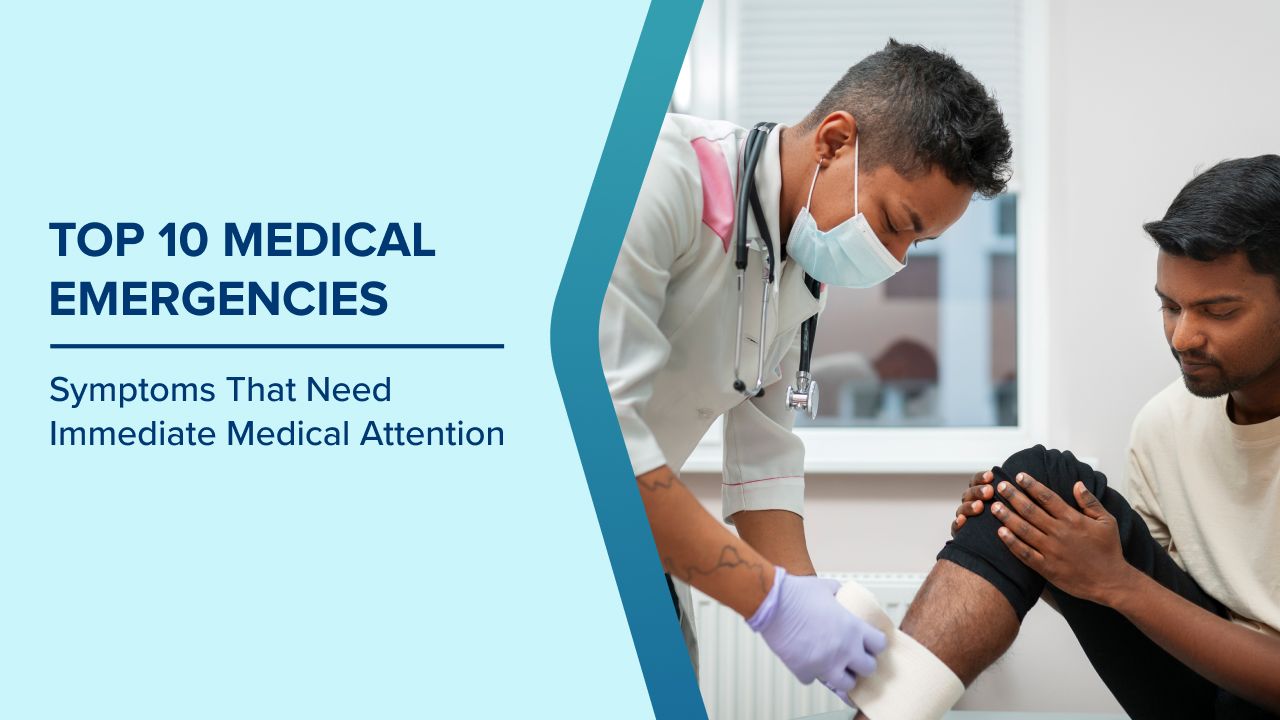
Medical emergencies are sudden health conditions that can become life-threatening within minutes or hours if not treated promptly. Knowing how to recognise these emergencies can save lives, reduce long-term complications, and improve recovery outcomes. Many people delay seeking care because they are unsure whether symptoms are serious enough. This delay often causes avoidable harm.
What Are Medical Emergencies and Why Immediate Care Matters
A medical emergency is a condition where the body’s vital functions are at risk, such as breathing, circulation, brain activity, or organ function. Examples include heart attacks, strokes, severe infections, and trauma. These conditions progress rapidly and cannot wait for routine appointments.
Delays in emergency care are a leading cause of preventable death and disability. Early recognition, quick transport to an emergency room, and timely treatment significantly improve survival rates and reduce long-term damage. Understanding warning signs is the first step toward protecting yourself and your loved ones.
Heart Attack
What Happens During A Heart Attack
A heart attack occurs when blood flow to the heart muscle is suddenly blocked, usually due to a clot in a coronary artery. Without oxygen, heart muscle tissue begins to die within minutes.
Typical Symptoms
- Chest pain or pressure lasting more than a few minutes
- Pain spreading to the both arm, jaw, back, or both shoulder
- Shortness of breath
- Cold sweats, nausea, or lightheadedness
Atypical Symptoms
- Pain Abdomen / Bloating / Abdominal Discomfort
- Vomiting
- Uneasiness
- Giddiness
Why Immediate Treatment Is Critical
Early treatment restores blood flow and limits heart damage. Delays increase the risk of heart failure, abnormal heart rhythms, and death.
Stroke
What Is A Stroke
A stroke happens when the blood supply to part of the brain is interrupted, either by a clot or a ruptured blood vessel. Brain cells begin to die within minutes.
Warning Signs To Watch For
- Sudden weakness on one side of the body
- Slurred speech or difficulty understanding speech
- Facial drooping
- Sudden loss of vision or balance
- Syncope – brief episode of loss of consciousness
Why Every Minute Matters
Early stroke treatment can reverse symptoms and prevent permanent disability. The phrase “time is brain” highlights how critical rapid action is.
Severe Breathing Difficulty
What Causes Breathing Emergencies
Breathing difficulty may result from asthma attacks, severe allergic reactions, pneumonia, airway obstruction, or lung conditions.
Warning Signs
- Rapid or laboured breathing
- Bluish lips or fingernails
- Chest tightness
- Inability to speak full sentences
Risks Of Delay
Lack of oxygen can damage the brain and other organs within minutes, making this a true medical emergency.
Conclusion
Medical emergencies require fast recognition and immediate action. Understanding the warning signs of life-threatening conditions empowers individuals and families to respond quickly and confidently. Early treatment saves lives, reduces complications, and improves recovery. If you or someone around you shows signs of a medical emergency, do not wait. Seek professional medical care immediately.
Written and Verified by:

Related Blogs

Max Team In Emergency & Trauma , Emergency Medicine
Feb 14 , 2022 | 1 min read

Medical Expert Team
Jan 31 , 2024 | 1 min read

Dr. Tamorish Kole In Emergency & Trauma , Emergency Medicine
Nov 07 , 2020 | 2 min read
Blogs by Doctor
Most read Blogs

Related Blogs
Max Team In Emergency & Trauma , Emergency Medicine
Feb 14 , 2022 | 1 min read
Medical Expert Team
Jan 31 , 2024 | 1 min read
Dr. Tamorish Kole In Emergency & Trauma , Emergency Medicine
Nov 07 , 2020 | 2 min read
Blogs by Doctor
Most read Blogs