 WhatsApp Us (24/7)
 +91 926 888 0303 (24/7)


To Book an Appointment
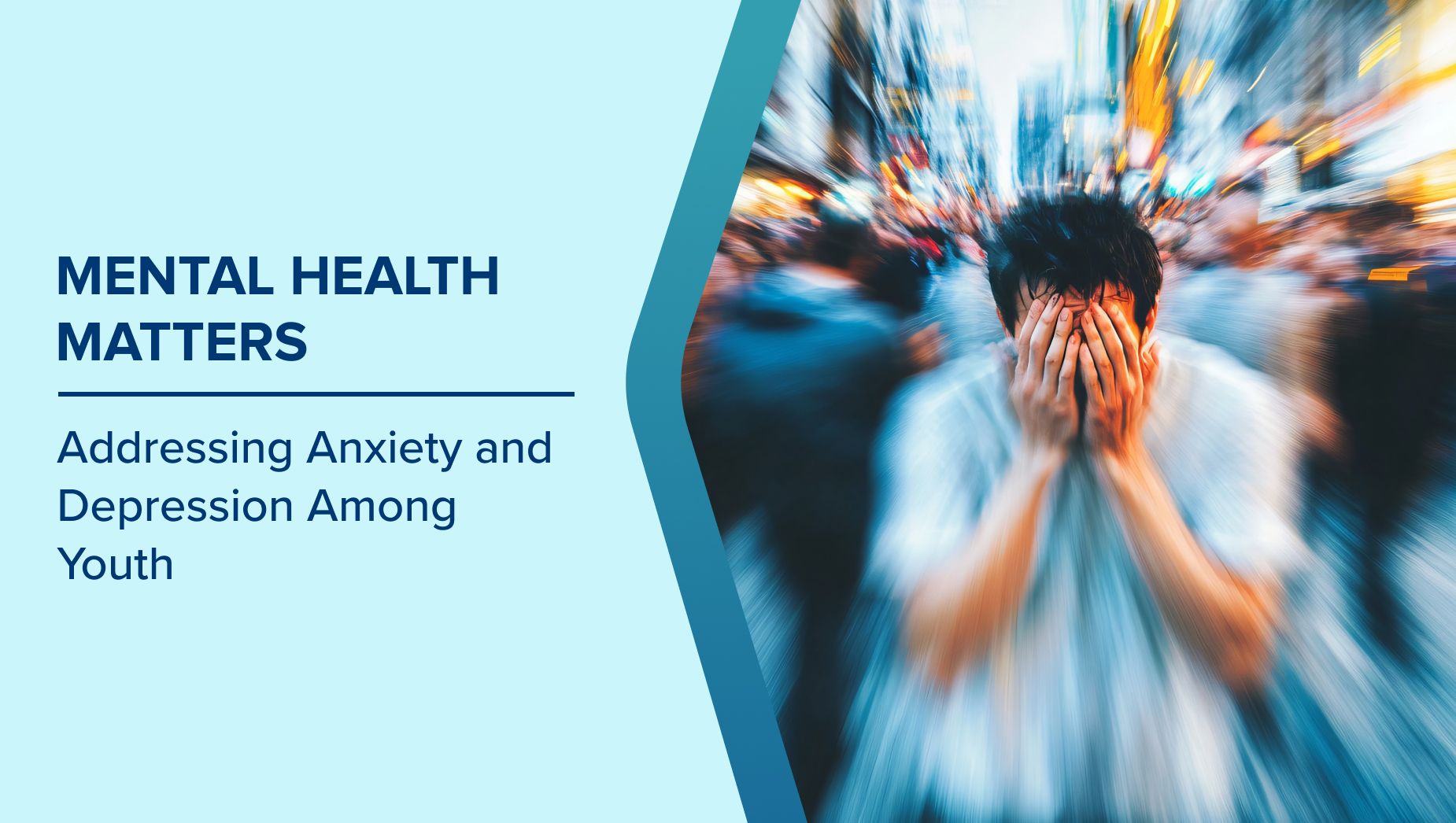
Call Us+91 926 888 0303Mental Health Matters: Addressing Anxiety and Depression Among Youth
By Dr. Ashima Srivastava in Mental Health And Behavioural Sciences
Jan 05 , 2026 | 7 min read

Conversations about mental health are no longer limited to hospitals or counsellors’ offices. They have become part of classrooms, family discussions, and online platforms where young people openly share their struggles. Anxiety in teenagers and depression among youth are pressing challenges that cut across cultures, social classes, and academic settings. The rising awareness around youth mental health highlights that this is not a temporary trend but an issue demanding sustained attention from families, educators, and policymakers.
In the contemporary socio-digital era, youth are navigating psychosocial stressors. Heightened academic competitiveness, peer comparison, constant online presence, and uncertainty about occupational trajectories and interpersonal domains contribute cumulatively to psychological vulnerability. Early identification and intervention are crucial not merely to alleviate present distress but also to take the edge off the risk of deep-rooted psychopathology, impaired functioning, and reduced life satisfaction in adulthood.
Understanding Mental Health in Youth
The largely discussed concerns these days like Anxiety and depression often wear different masks in young people than in adults. Anxiety in teenagers may manifest as restlessness, irritability, or difficulty concentrating, while depression among youth can appear as withdrawal, loss of interest in hobbies, or declining school performance, the signs that can be mistaken for “just being a moody teen.”
Several contributing factors, like academic pressure, fear of failure, bullying, family challenges, and financial strain, are common triggers. The digital environment has also introduced new stressors, where social comparison, fear of missing out (FoMO), and online criticism amplify self-doubt and insecurity. Relationships are equally impacted. Friendships may suffer when a teenager avoids social events or becomes withdrawn. Families can experience tension when parents or siblings struggle to understand behavioural changes. Left unaddressed, these strains may lead to feelings of isolation, which in turn deepen the cycle of poor mental health.
It is essential to recognise that not every case originates from external stressors. Genetics, brain chemistry, and early childhood experiences can also contribute to increased vulnerability. Understanding youth anxiety and depression requires a biopsychosocial lens, recognizing the interplay between biological, psychological, and social factors. Biological influences include genetics and neurochemical changes that may predispose some individuals to mental health challenges. Psychologically, cognitive patterns like rumination and low self-esteem elevate vulnerability. Social environments like family dynamics, peer relationships, and cultural expectations substantially shape youths' coping resources and stress responses. The biopsychosocial model reinforces that effective prevention and treatment approaches should be holistic, integrating medical, psychological, and social supports to foster lasting well-being.
When looking at social relationships and how these come into play, understanding what attachment styles are and how they develop in early childhood, while deeply influencing emotional regulation, self-esteem, and social relationships during adolescence, help us navigate better. Secure attachments marked by consistent, supportive caregiving, tend to foster resilience, greater emotional awareness, and healthy interpersonal interactions. In contrast, insecure attachment styles (anxious, avoidant, or disorganized) may predispose youth to heightened anxiety, difficulties in trust, and withdrawal. Therapeutic interventions aiming to repair attachment disruptions, such as family counseling and relational therapies, can facilitate healthier patterns of emotional connection and improve long-term outcomes.
Adolescence is a critical period for identity development. Kids who are not allowed to explore and test out different identities might be left with what Erikson referred to as role confusion, which arises when young people struggle to define personal values, beliefs, and goals, often due to conflicting expectations from family, peers, or society. Erikson’s framework highlights that resolving these conflicts is essential for a cohesive sense of self. Mental health challenges frequently emerge when identity exploration is hindered by external pressure, lack of support, or traumatic experiences. Encouraging open dialogue, self-reflection activities, and psychosocial education can help adolescents navigate identity formation and minimize role confusion, promoting a stronger foundation for future growth.
Considering the fact that most of the youth is generally surrounded by their peers out of all social relationships, throughout the day it's important to understand how peer influence exerts profound effects on adolescents’ emotional health. The desire for acceptance and social belonging can escalate pressure to conform, amplifying worries about fitting in and self-worth. Positive peer relationships, however, act as buffers against stress, offering support, encouragement, and validation. Negative peer interactions like bullying, exclusion, or toxic competitiveness tend to heighten feelings of isolation and anxiety. Practicing empathy, prosocial behaviors, and collaborative learning environments is essential to alleviate the sources of distress.
Increasing experimentation with substances such as alcohol, nicotine, or recreational drugs is frequently seen in youth navigating emotional distress. Substances may be used as maladaptive coping tools for anxiety or depression, but they often aggravate symptoms and contribute to long-term health risks. Early substance use correlates with impulsivity, risk-taking behaviors, and disrupted emotional regulation, making timely intervention critical. Prevention programs focusing on education, building resilience, and offering healthy alternatives are essential in reducing substance misuse and its mental health consequences.
One of the major contributing factors to stress at this transitioning age is the uncertainty about future occupational paths. Career-related anxieties stem from academic pressure, fear of failure, and unclear job prospects, all intensified in competitive environments. Exploring career options, fostering mentorship opportunities, and integrating practical skill-building like internships and workshops support youth in forming clearer identities. Mental health services that address career-related stress and encourage informed choices play an essential role in reducing distress and improving overall well-being.
In all, a holistic approach, broader perspective, acceptance and understanding with care and attention to help the youth is very critical for them to flourish, besides, timely intervention with the help of mental health professionals and proper support are essential to break these patterns and set a healthier path forward.
How Young People Can Cope: Practical Strategies
Young people are not powerless in the face of anxiety and depression. There are several coping strategies for young people that can build resilience and improve mental well-being.
- Self-help practices: Journaling, mindfulness exercises, and relaxation techniques help reduce stress. Learning to identify and challenge negative thought patterns is also beneficial.
- Lifestyle adjustments: Adequate sleep, balanced nutrition, and regular physical activity play a direct role in emotional stability. Exercise in particular has proven benefits for reducing symptoms of both anxiety and depression.
- Digital Hygiene: Set screen-time boundaries and curate feeds to reduce toxic comparison. Practice “mindful scrolling”, notice when content triggers anxiety, and consciously disengage.
- Digital mental health support: Online apps, chat services, and helplines have created discreet ways for young people to seek help. These tools can provide immediate guidance and connect users with professional support.
- Emotional Literacy Training: Teaching children to label emotions accurately (“I feel frustrated, not just bad”). Using emotion thermometers or apps designed for children.
- Early Resilience Skills: Problem-solving games, cooperative play, and storytelling to strengthen coping. Teach basic relaxation skills (progressive muscle relaxation, mindful breathing) through playful formats.
- Therapy for youth mental health: Professional intervention remains one of the most effective methods. Cognitive behavioural therapy, group sessions, and counselling provide safe spaces for young people to explore their emotions and learn healthier coping strategies.
Each young person’s journey is different. What matters most is recognising that help is available and seeking it without fear or hesitation.
A Collective Responsibility
Youth well-being cannot be left to individuals alone. Parents can buffer distress by creating validating, non-judgmental spaces at home. Teachers are frontline identifiers, and schools that normalize mental health discussions and integrate counseling create safer environments. On a societal level, investment in community-based programs, reduced barriers to care, and peer-support networks is essential.
Breaking the Stigma Around Mental Health Conversations
One of the biggest barriers young people face is the stigma attached to mental health. Many still fear being judged or misunderstood if they admit to struggling with anxiety or depression. This silence can delay treatment and worsen outcomes. Normalizing conversations around mental health through public figures, schools, and campaigns can dismantle this silence. When we treat mental health with the same urgency as physical health, we affirm that seeking help is not a weakness but a form of resilience. Encouraging youth to share their stories, integrating mental health topics into mainstream education, and promoting campaigns that highlight resilience and recovery can slowly dismantle the shame often associated with seeking help.
Conclusion
Addressing anxiety in teenagers and depression among youth is not only about treating symptoms but about safeguarding futures. With proper awareness, timely intervention, and supportive environments, young people can navigate these challenges and thrive. The path forward lies in empowering youth with coping strategies, providing accessible therapy for youth mental health, and ensuring that conversations about well-being remain open and stigma-free.
If you or someone you know is struggling, remember: seeking help is an act of strength, not weakness.
Frequently Asked Questions
Can social media worsen anxiety in teenagers?
Yes, constant exposure to comparison, criticism, and unrealistic standards on social platforms can heighten anxiety and lower self-esteem. Managing screen time and curating positive online spaces can help.
What role does physical exercise play in mental health recovery?
Regular physical activity releases endorphins, reduces stress hormones, and improves sleep patterns, all of which support better mental health in young people.
Are online therapy platforms safe for young people?
Most reputable platforms use licensed professionals and secure systems. Parents and guardians should ensure that chosen services follow confidentiality and safety standards.
How can schools integrate mental health education?
Schools can add well-being modules to the curriculum, provide workshops on stress management, and train teachers to recognise early signs of distress among students.
Is there a link between diet and mental well-being?
Yes, a balanced diet rich in vitamins, minerals, and omega-3 fatty acids has been linked to improved mood and cognitive function, supporting overall mental health.
Written and Verified by:

Related Blogs

Dr. Prashant Gupta In Mental Health And Behavioural Sciences , Psychiatry
Nov 08 , 2020 | 5 min read


Dr. Raj Kumar Srivastava In Mental Health And Behavioural Sciences , Psychiatry
Nov 08 , 2020 | 1 min read
Blogs by Doctor

The Inevitable Boards: How Parents Can Help
Dr. Ashima Srivastava In Mental Health And Behavioural Sciences , Clinical Psychology
Nov 08 , 2020 | 5 min read

Take Care of your Mental health at Workplace
Dr. Ashima Srivastava In Mental Health And Behavioural Sciences , Clinical Psychology
Nov 08 , 2020 | 2 min read
Most read Blogs

Related Blogs
Dr. Prashant Gupta In Mental Health And Behavioural Sciences , Psychiatry
Nov 08 , 2020 | 5 min read
Dr. Raj Kumar Srivastava In Mental Health And Behavioural Sciences , Psychiatry
Nov 08 , 2020 | 1 min read
Blogs by Doctor
The Inevitable Boards: How Parents Can Help
Dr. Ashima Srivastava In Mental Health And Behavioural Sciences , Clinical Psychology
Nov 08 , 2020 | 5 min read
Take Care of your Mental health at Workplace
Dr. Ashima Srivastava In Mental Health And Behavioural Sciences , Clinical Psychology
Nov 08 , 2020 | 2 min read
Most read Blogs