 WhatsApp Us (24/7)
 +91 926 888 0303 (24/7)


To Book an Appointment
Call Us+91 926 888 0303Myths and Facts About Osteoporosis: How to Protect Your Bones at Any Age
By Dr. L. Tomar in Orthopaedics & Joint Replacement , Arthroscopy & Sports Injury
Jan 05 , 2026 | 4 min read

Osteoporosis is often called a "silent disease" because it develops gradually and may not exhibit noticeable symptoms until a fracture occurs. Millions of people worldwide, both men and women, are affected by weak bones and loss of bone density. Misconceptions about osteoporosis can prevent people from taking proper precautions, leading to serious health issues.
Understanding the myths and facts about osteoporosis is crucial. Knowledge about prevention, early symptoms, risk factors, and treatment options empowers individuals to protect their bones and maintain a healthy, active life.
What is Osteoporosis?
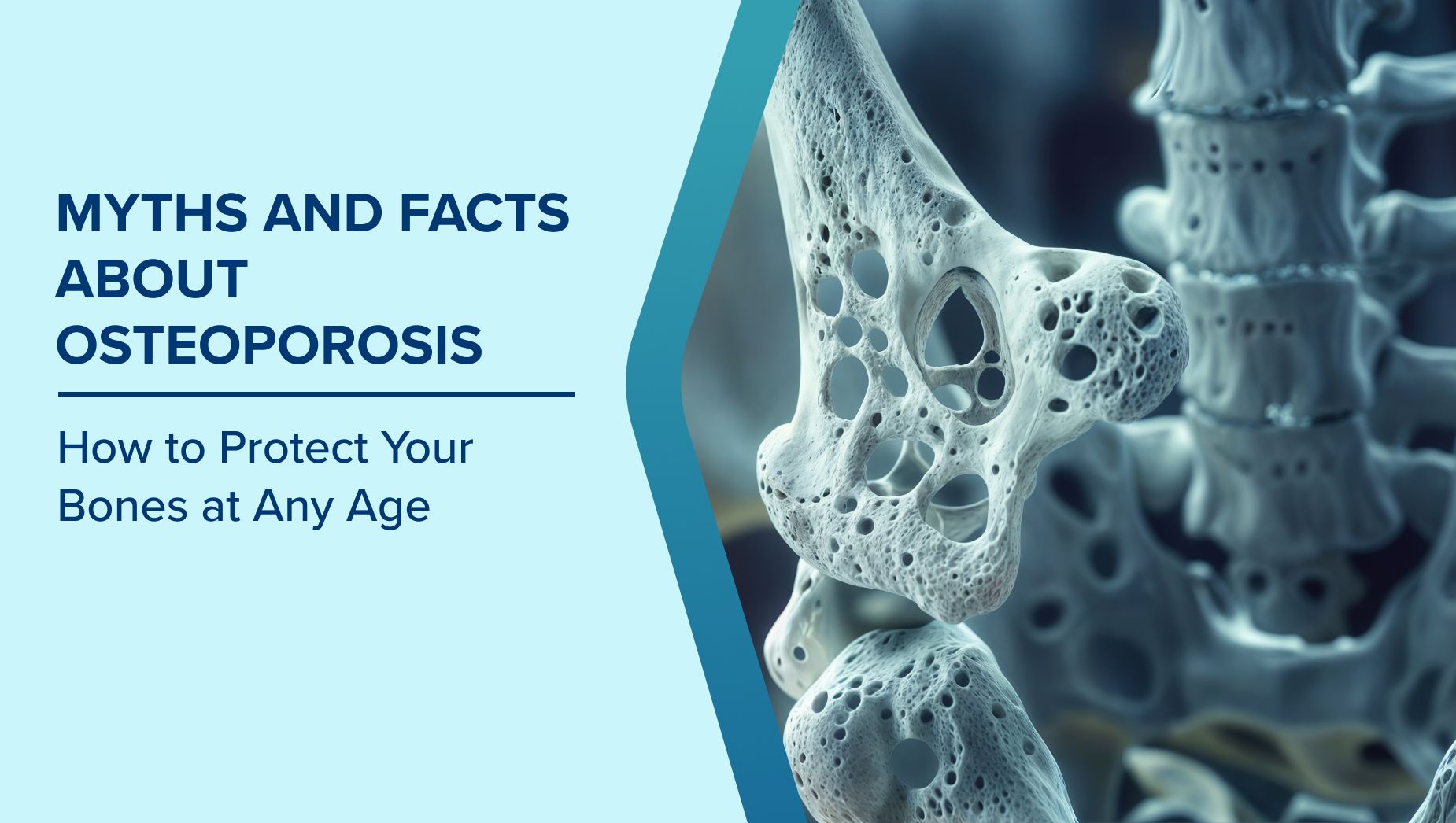
Osteoporosis is a health condition where the bones lose density, making them fragile and more likely to break. Healthy bones have a dense, sturdy structure, but in osteoporosis, the bone structure becomes thinner, making bones more susceptible to fracture.
Key points about osteoporosis:
- Can affect both women and men, though women are at higher risk after menopause
- Commonly affects the spine, hips, and wrists
- Often develops silently over the years
- Preventive measures, early detection, and treatment can slow progression
Common Myths vs Facts About Osteoporosis
Understanding misconceptions helps in taking preventive steps and seeking timely treatment.
Myth 1: Osteoporosis Only Affects Older Women
Fact: While women over 50 are at higher risk due to hormonal changes after menopause, osteoporosis can affect men and younger adults, too. Men may experience bone density loss later, but fractures can occur if risk factors are present.
Myth 2: If You Don’t Have Symptoms, Your Bones Are Healthy
Fact: Osteoporosis often has no early symptoms. Bone weakening can occur silently for years. Regular bone density checks, particularly for individuals at risk, are crucial for early detection.
Myth 3: Osteoporosis is Just About Calcium
Fact: Calcium is vital for strong bones, but vitamin D, protein, magnesium, and other nutrients also play crucial roles. Weight-bearing exercises, healthy lifestyle choices, and avoidance of smoking and excessive alcohol are equally important.
Myth 4: Only Women Need to Worry About Bone Health
Fact: Men also experience bone density loss, especially after age 60 or with risk factors like low testosterone, sedentary lifestyle, or chronic illnesses. Bone health strategies are essential for everyone.
Myth 5: Exercise Can Damage Weak Bones
Fact: Properly guided exercise strengthens bones and muscles, reduces fall risk, and improves balance. Low-impact weight-bearing activities, resistance training, and balance exercises are beneficial.
Myth 6: Fractures Are Unavoidable with Ageing
Fact: While the risk increases with age, osteoporosis prevention, lifestyle measures, and early treatment can dramatically reduce the likelihood of fractures.
Risk Factors for Osteoporosis
Certain factors increase the likelihood of developing osteoporosis. Awareness allows for early intervention.
Non-Modifiable Risk Factors:
- Age: Bone density decreases naturally with age
- Gender: Women are at higher risk due to hormonal changes
- Family History: Genetics play a role in bone strength
- Ethnicity: Caucasian and Asian populations are more susceptible
Modifiable Risk Factors:
- Sedentary lifestyle and lack of weight-bearing exercise
- Poor nutrition, low calcium and vitamin D intake
- Smoking and excessive alcohol consumption
- Certain medications (e.g., corticosteroids)
- Chronic illnesses affecting hormone levels or nutrient absorption
How to Maintain Bone Health
Maintaining strong bones requires a combination of a balanced diet, regular exercise, healthy lifestyle choices, and regular check-ups.
Nutrition Tips
- Include calcium-rich foods like milk, yoghurt, cheese, tofu, and leafy greens
- Ensure sufficient vitamin D through sunlight exposure and fortified foods
- Eat adequate protein from lean meats, fish, legumes, and nuts
- Consume magnesium and potassium-rich foods such as bananas, avocados, and whole grains
Exercise and Physical Activity
- Engage in weight-bearing activities like walking, jogging, or dancing
- Include resistance training to strengthen muscles and bones
- Practice balance and flexibility exercises to prevent falls
- Avoid prolonged inactivity; move regularly throughout the day
Lifestyle Habits
- Quit smoking and limit alcohol intake
- Maintain a healthy body weight; being underweight and obesity both increase risk
- Reduce caffeine intake if excessive, as it may interfere with calcium absorption
- Ensure sufficient sleep to support bone remodelling
Signs and Symptoms People Often Ignore
Osteoporosis can remain undetected until a fracture occurs, but some subtle signs may appear:
- Back pain caused by vertebral fractures
- Loss of height over time
- Stooped posture or kyphosis
- Fractures from minor injuries
- Weak grip strength
Early recognition of these signs and timely medical consultation can prevent further bone loss.
Modern Treatments and Management
Treatment depends on the results of bone density tests, fracture risk, age, and overall health.
Medications
- Bisphosphonates: Slow bone loss and reduce fracture risk
- Hormone Replacement Therapy: In selected women, supports bone strength
- Denosumab: Reduces bone resorption
- Selective Estrogen Receptor Modulators (SERMs): Protect bones in postmenopausal women
Lifestyle and Supportive Measures
- Physical therapy to improve strength, balance, and mobility
- Fall prevention strategies at home
- Regular monitoring of bone density
- Nutritional counselling for calcium, vitamin D, and protein intake
Surgical Options
- Fracture repair surgeries if bones break
- Vertebroplasty or kyphoplasty for spinal compression fractures
Conclusion
Osteoporosis is a silent but preventable disease. Understanding the myths and facts, recognising early symptoms, addressing risk factors, and adopting a bone-healthy lifestyle are essential steps for both women and men. Maintaining strong bones is possible at any age with proper nutrition, exercise, regular check-ups, and awareness.
Taking proactive measures today ensures mobility, independence, and a higher quality of life tomorrow. Protect your bones, stay informed, and prioritise your bone health.
Frequently Asked Questions
Can osteoporosis be prevented naturally?
Yes, regular weight-bearing exercise, a balanced diet rich in calcium and vitamin D, avoiding smoking and excessive alcohol consumption, and maintaining a healthy weight all help prevent bone density loss.
Are men also at risk for osteoporosis?
Absolutely. While women have a higher risk after menopause, men may develop osteoporosis due to low testosterone, poor diet, inactivity, or chronic illnesses. Regular bone density checks are recommended.
How often should I check my bone density?
Most adults should consider a bone density scan after the age of 50, or earlier if they have risk factors. Your doctor may recommend scans every 1 to 2 years, depending on your individual risk profile.
Can certain medications cause osteoporosis?
Yes, long-term use of corticosteroids, certain anti-seizure medications, and proton pump inhibitors may reduce bone density. Discuss alternatives with your healthcare provider.
What role do vitamin D and calcium supplements play?
Supplements can help if dietary intake is insufficient. Adequate vitamin D ensures the absorption of calcium, which is crucial for maintaining bone strength. Consult your doctor before starting supplements.
Written and Verified by:

Related Blogs


Dr. Ashish Jain In Orthopaedics & Joint Replacement
Nov 07 , 2020 | 1 min read

Dr. Raju Easwaran In Orthopaedics & Joint Replacement
Nov 07 , 2020 | 7 min read
Blogs by Doctor

Do All Fractures Require Surgery?
Dr. L. Tomar In Orthopaedics & Joint Replacement
Nov 08 , 2020 | 2 min read

How can you avoid running injuries?
Dr. L. Tomar In Orthopaedics & Joint Replacement
Nov 08 , 2020 | 2 min read
Most read Blogs

Related Blogs
Dr. Ashish Jain In Orthopaedics & Joint Replacement
Nov 07 , 2020 | 1 min read
Dr. Raju Easwaran In Orthopaedics & Joint Replacement
Nov 07 , 2020 | 7 min read
Blogs by Doctor
Do All Fractures Require Surgery?
Dr. L. Tomar In Orthopaedics & Joint Replacement
Nov 08 , 2020 | 2 min read
How can you avoid running injuries?
Dr. L. Tomar In Orthopaedics & Joint Replacement
Nov 08 , 2020 | 2 min read
Most read Blogs