 WhatsApp Us (24/7)
 +91 926 888 0303 (24/7)


To Book an Appointment
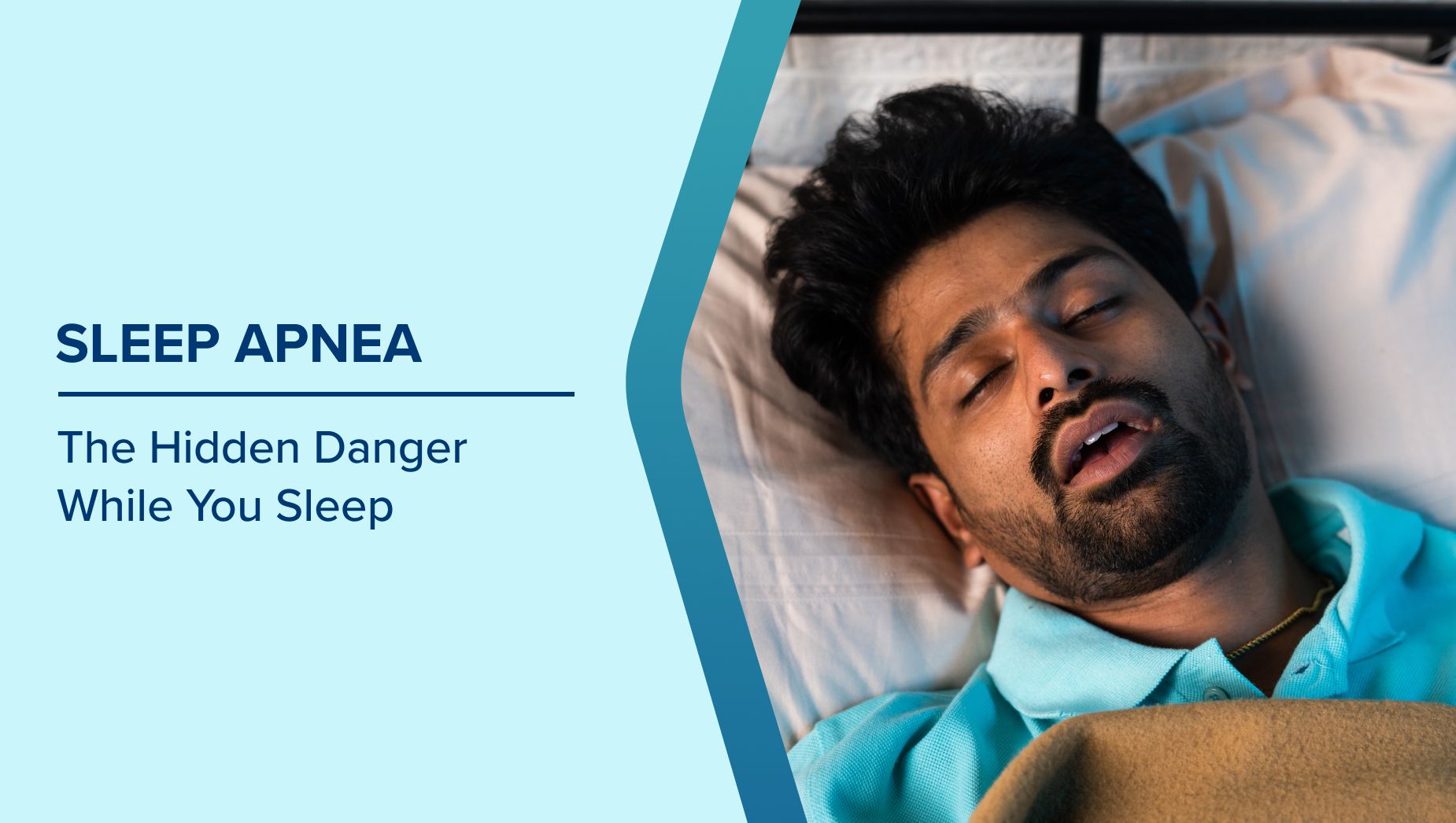
Call Us+91 926 888 0303Sleep Apnea: The Hidden Danger While You Sleep
By Dr. Shivanshu Raj Goyal in Pulmonology
Jan 06 , 2026 | 2 min read

Do you often wake up feeling drained, even after a full night’s rest? Have you been told you snore loudly or occasionally stop breathing while asleep? These could be signs of sleep apnea, a common but frequently overlooked sleep disorder.
Understanding Sleep Apnea
Sleep apnea is a condition in which a person experiences repeated pauses in breathing while asleep. These interruptions can last from a few seconds to longer periods and may occur many times throughout the night. The result is reduced oxygen supply to the body and brain, leaving you feeling tired and unfocused during the day.
There are two main forms of sleep apnea:
- Obstructive Sleep Apnea (OSA): This is the more common type, caused when throat muscles relax and partially or fully block the airway.
- Central Sleep Apnea (CSA): A less common form that happens when the brain fails to send correct signals to the breathing muscles.
Why It’s Serious
Many people mistake sleep apnea for “just snoring,” but it can have serious consequences if untreated, including:
- Persistent fatigue and difficulty concentrating
- Mood swings, irritability, or depression
- Elevated blood pressure and heart problems
- Higher risk of stroke and diabetes
Ignoring the condition can have long-term effects on overall health, making early recognition important.
Read More:- 10 Surprising Facts About Obstructive Sleep Apnea (OSA)
Warning Signs
Because sleep apnea occurs during sleep, it often goes unnoticed by the person affected. Some common signs include:
- Loud, chronic snoring
- Observed pauses in breathing during sleep
- Waking up choking or gasping
- Morning headaches
- Dry mouth or sore throat upon waking
- Daytime drowsiness and lack of focus
Who Is More Likely to Be Affected
While sleep apnea can affect people of all ages, including children, certain factors make it more likely to occur:
- Excess body weight or obesity
- Larger neck size or a narrow airway
- Family history of sleep apnea
- Smoking or heavy alcohol use
- Age-related risk increases in older adults
- Existing conditions like high blood pressure or diabetes
Treatment Options
Sleep apnea can be managed effectively with proper care. Treatment depends on the type and severity:
- Lifestyle Changes: Weight reduction, regular exercise, avoiding alcohol, and sleeping on your side.
- CPAP Therapy: Continuous Positive Airway Pressure (CPAP) machines keep airways open during sleep.
- Oral Appliances: Custom-fitted mouthpieces help maintain an open airway.
- Surgery: In certain cases, procedures may remove excess tissue or correct structural airway issues.
Tips for Better Sleep
Small adjustments can improve sleep quality for people with sleep apnea:
- Stick to a consistent sleep routine
- Keep the bedroom dark, cool, and quiet
- Refrain from consuming heavy foods, caffeine, or alcoholic beverages before sleep
- Try calming techniques like mindful breathing or meditation exercises.
Conclusion
Sleep apnea may be silent, but its effects are serious. Don’t ignore snoring or breathing interruptions; early detection and treatment can improve sleep, boost energy, and protect your heart and overall health. Quality sleep is not just rest; it is vital for a healthy, energised life.
Written and Verified by:

Related Blogs

Medical Expert Team
Jun 06 , 2015 | 2 min read


Blogs by Doctor

Climate Change and Tuberculosis: Risks, Challenges & Solutions
Dr. Shivanshu Raj Goyal In Pulmonology
Apr 02 , 2025 | 3 min read
Smoking and Vaping: How They Damage Your Lungs Over Time
Dr. Shivanshu Raj Goyal In Pulmonology
Sep 02 , 2025 | 2 min read
Most read Blogs

Related Blogs
Medical Expert Team
Jun 06 , 2015 | 2 min read
Blogs by Doctor
Climate Change and Tuberculosis: Risks, Challenges & Solutions
Dr. Shivanshu Raj Goyal In Pulmonology
Apr 02 , 2025 | 3 min read
Smoking and Vaping: How They Damage Your Lungs Over Time
Dr. Shivanshu Raj Goyal In Pulmonology
Sep 02 , 2025 | 2 min read
Most read Blogs