 WhatsApp Us (24/7)
 +91 926 888 0303 (24/7)


To Book an Appointment
Call Us+91 926 888 0303A Week-by-Week Guide to Pregnancy Ultrasounds: What to Expect and When
By Dr. Shivani Khanna in Foetal Medicine
Jan 05 , 2026 | 3 min read

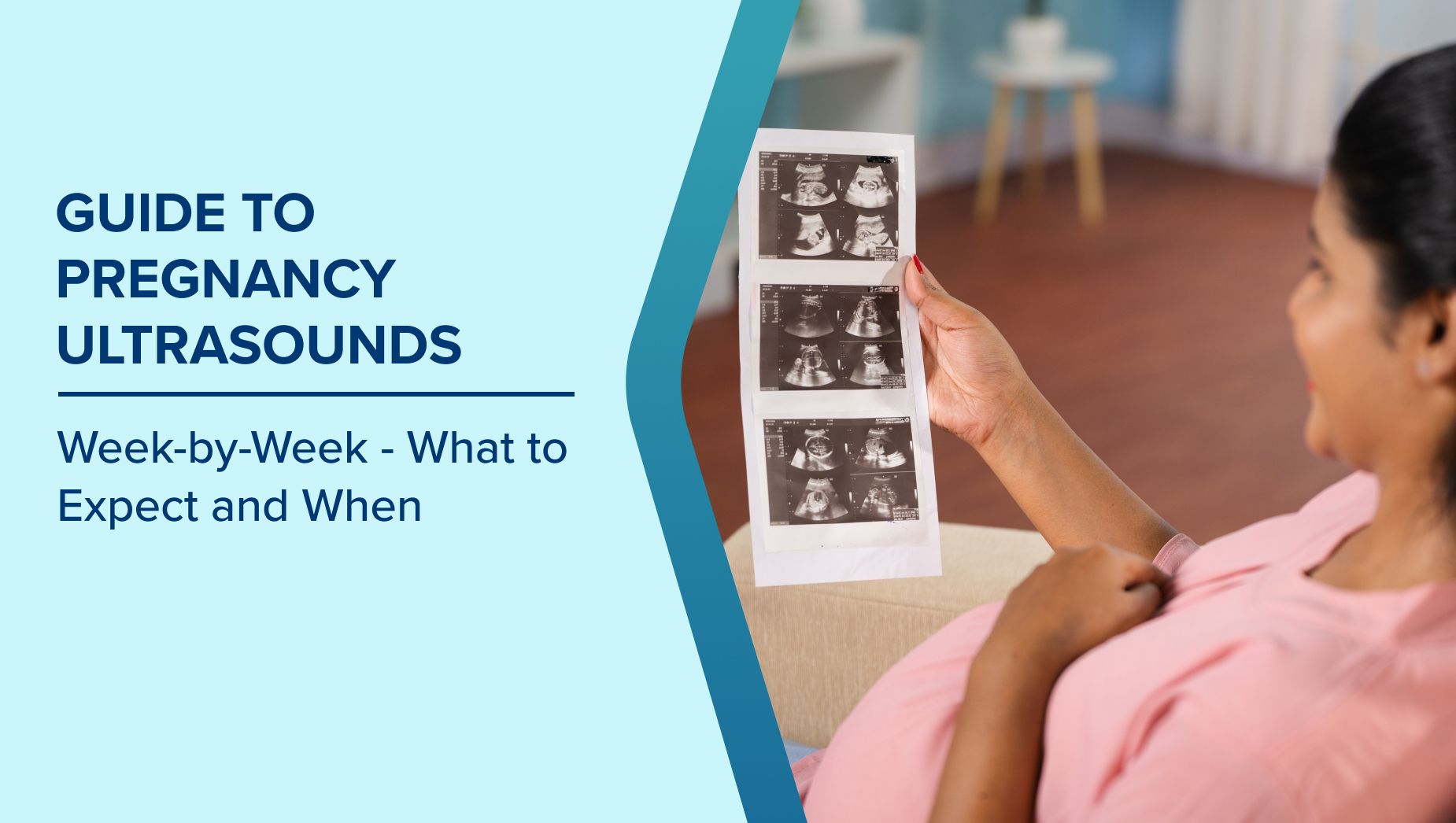
Pregnancy is a journey filled with anticipation, changes, and important milestones. One of the most reassuring parts of this journey is seeing your baby grow through ultrasounds. These scans help track your baby’s development, confirm your due date, and check that everything is progressing well. If you are wondering how the pregnancy ultrasound schedule works, this week-by-week guide will help you understand when each scan is done and what it shows.
Why Pregnancy Ultrasounds Matter
Ultrasounds use safe sound waves to create images of your baby. They provide important details about your baby’s growth, position, and health. They also give parents a chance to connect with their little one before birth. From your early pregnancy scan to the final check before delivery, each stage has its purpose.
Week-by-Week Pregnancy Ultrasound Timeline
Weeks 6–8: Early Pregnancy Scan
Your first scan is often done between the 6th and 8th week. This early pregnancy scan confirms the pregnancy, checks the baby’s heartbeat, and ensures the pregnancy is developing in the right place. It also helps determine your expected due date.
Weeks 11–14: First Trimester Ultrasound
The first-trimester ultrasound is usually part of a combined screening. It checks the baby’s overall development, measures the nuchal translucency (a small fluid space at the back of the neck), and can detect early signs of certain genetic conditions. This is also when you may catch a glimpse of your baby moving.
Weeks 18–22: Detailed Anomaly Scan
Often called the mid-pregnancy scan, this stage is one of the most detailed. The pregnancy sonography guide recommends this scan to check the baby’s organs, limbs, brain, and spine. It also confirms the position of the placenta and the amount of amniotic fluid. If you wish to know your baby’s gender (and if local laws allow), this is often the stage when it can be determined.
Weeks 28–32: Fetal Growth Scan
A fetal growth scan is done to see how well your baby is growing in the womb. This scan monitors the baby’s size, weight, and movements. It also checks the umbilical cord blood flow and ensures the placenta is working well. This stage is important if you have conditions like high blood pressure, gestational diabetes, or low amniotic fluid.
Weeks 34–36: Late Pregnancy Scan
In the prenatal ultrasound timeline, this scan assesses the baby’s position (head-down or breech), growth rate, and readiness for birth. It also confirms the placenta’s position, which is crucial for planning delivery.
Week 37 Onwards: Additional Scans if Needed
If your pregnancy goes past your due date or there are any concerns, extra ultrasounds may be advised. These check the baby’s heartbeat, breathing, and overall well-being to decide whether labour should be induced.
Tips for a Smooth Ultrasound Experience
- Wear loose and comfortable clothing for easy access to your belly.
- Drink water before early scans to improve image clarity.
- Ask your doctor or technician to explain the images in real time.
- Keep past scan reports for reference during future visits.
Conclusion
Every scan in the pregnancy ultrasound schedule offers valuable information about your baby’s journey from early growth to birth. Understanding the prenatal ultrasound timeline can help you feel prepared and reassured. Remember, while ultrasounds are exciting, they are also medical tools that guide doctors in ensuring both you and your baby are healthy.
Frequently Asked Questions
Can I eat before an ultrasound during pregnancy?
Yes, you can eat before most pregnancy ultrasounds unless your doctor advises otherwise. For early scans, you may be asked to drink water for better visibility.
How long does a pregnancy ultrasound take?
Most scans take between 15 and 30 minutes, depending on the detail required and the baby’s position.
Are 3D and 4D ultrasounds necessary?
These scans are not essential for medical purposes but may be done for clearer or more detailed images of your baby.
How can I make my baby move during a scan?
Sometimes drinking a small amount of juice or walking around before the scan can encourage movement.
Can I get a copy of my ultrasound images?
Yes, most clinics offer printed or digital copies of your ultrasound images for you to keep.
Written and Verified by:

Related Blogs

Medical Expert Team
Jul 20 , 2021 | 3 min read

Dr. Shivani Khanna In Foetal Medicine
Apr 08 , 2025 | 7 min read

Dr. Samanta Dhulipala Gupta In Radiology , Foetal Medicine
Aug 13 , 2025 | 2 min read
Blogs by Doctor
Week-by-Week Foetal Development: What to Expect at Each Stage
Dr. Shivani Khanna In Foetal Medicine
Apr 08 , 2025 | 7 min read
Most read Blogs

Related Blogs
Medical Expert Team
Jul 20 , 2021 | 3 min read
Dr. Shivani Khanna In Foetal Medicine
Apr 08 , 2025 | 7 min read
Dr. Samanta Dhulipala Gupta In Radiology , Foetal Medicine
Aug 13 , 2025 | 2 min read
Blogs by Doctor
Week-by-Week Foetal Development: What to Expect at Each Stage
Dr. Shivani Khanna In Foetal Medicine
Apr 08 , 2025 | 7 min read
Most read Blogs