 WhatsApp Us (24/7)
 +91 926 888 0303 (24/7)


Best Heart Hospital in Mohali
-
 4+ specialist doctors
- 20+ years of experience
- 15800+ new patients annually
-
4+ specialist doctors
-
20+ years of experience
-
15800+ new patients annually
To Book an Appointment
Call Us+91 926 888 0303Located at - Chandigarh Rd, near Civil Hospital, Phase 6, Mo, Chandigarh, Sahibzada Ajit Singh Nagar, Punjab 160055
Why Choose Max Hospital
People from following locations visit Max Super Speciality Hospital, Mohali: Chandigarh, Panchkula, Zirakpur, Morinda, Kurali, Dera Bassi, Dhakoli, Rajpura, Kharar, landran, Ropar, Rupnagar, Mullanpur, Kalka, Pinjore, Baddi, Nalagarh, Sirhind, Fatehgarh Sahib, Kasauli, Dharmpur
Located at - Chandigarh Rd, near Civil Hospital, Phase 6, Mo, Chandigarh, Sahibzada Ajit Singh Nagar, Punjab 160055

Filters
Doctors Available

Dr. Sudheer Saxena
Senior Director & Head of Department Cardiology
Cardiac Sciences, Cardiology, Cardiac Electrophysiology-Pacemaker
Gender: Male
{"FirstAvailable":"2026-04-07 11:00 PM","FirstInHospital":"2026-04-07 11:00 PM","FirstVC":"","Hospital":{"max-super-speciality-hospital-mohali":{"FirstAvailable":"2026-04-07 11:00 PM","FirstInHospital":"2026-04-07 11:00 PM","FirstVC":""}}}

Dr. Kapil K Chattree
Director - Cardiac Sciences - Cardiology
Cardiac Sciences, Cardiology, Cardiac Electrophysiology-Pacemaker
Experience: 22+ Years
Gender: Male
{"FirstAvailable":"2026-04-07 10:00 AM","FirstInHospital":"2026-04-07 10:00 AM","FirstVC":"","Hospital":{"max-super-speciality-hospital-mohali":{"FirstAvailable":"2026-04-07 10:00 AM","FirstInHospital":"2026-04-07 10:00 AM","FirstVC":""}}}

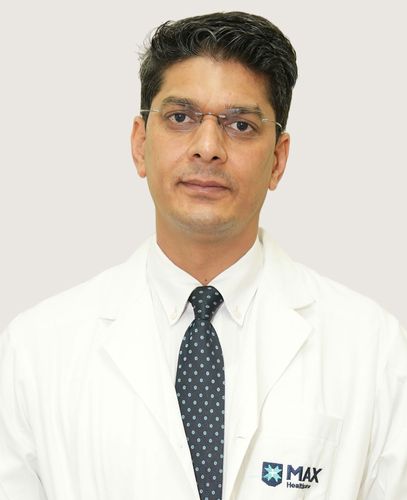
Dr. Gagandip Singh
Associate Director - Cardiac Sciences - Cardiology
Cardiac Sciences, Cardiology, Cardiac Electrophysiology-Pacemaker
Experience: 22+ Years
Gender: Male
{"FirstAvailable":"2026-04-07 10:00 AM","FirstInHospital":"2026-04-07 10:00 AM","FirstVC":"","Hospital":{"max-super-speciality-hospital-mohali":{"FirstAvailable":"2026-04-07 10:00 AM","FirstInHospital":"2026-04-07 10:00 AM","FirstVC":""}}}
{"FirstAvailable":"2026-04-07 10:00 AM","FirstInHospital":"2026-04-07 10:00 AM","FirstVC":"","Hospital":{"max-super-speciality-hospital-mohali":{"FirstAvailable":"2026-04-07 10:00 AM","FirstInHospital":"2026-04-07 10:00 AM","FirstVC":""}}}
Can't find what you are looking for?
Cardiac Conditions We Treat at Max Hospitals Mohali
At Max Hospitals, Mohali, the cardiology team evaluates and treats a broad spectrum of cardiovascular conditions. These include:
Coronary Artery Disease (CAD)
CAD develops when the arteries supplying blood to the heart become narrowed or blocked. Patients may notice chest discomfort, breathlessness, or reduced exercise tolerance. If left untreated, CAD can progress to serious complications such as a heart attack.
Heart Attack (Myocardial Infarction)
A heart attack occurs when blood flow to a part of the heart muscle is suddenly blocked. This is a medical emergency, and timely intervention plays a critical role in limiting heart damage and supporting recovery.
Heart Failure
Heart failure refers to a condition where the heart is unable to pump blood efficiently. Patients often experience fatigue, swelling in the legs, or shortness of breath during routine activities. With structured treatment and follow-up, symptoms can often be managed effectively.
Arrhythmias
Arrhythmias involve abnormal heart rhythms, including irregular, slow, or fast heartbeats. Some rhythm disturbances are mild, while others require medical or procedural intervention to reduce risk.
Hypertension (High Blood Pressure)
High blood pressure often develops gradually and may not cause noticeable symptoms initially. If left untreated, it increases the risk of heart disease, stroke, and kidney damage.
Valvular Heart Disease
Valve disorders affect how blood flows through the heart. Narrowed or leaking valves can place extra strain on the heart, leading to fatigue, dizziness, or breathlessness.
Congenital Heart Defects
Structural heart conditions present from birth, such as ASD or VSD, may be detected early in life or later during adulthood. Early assessment helps determine the need for monitoring or intervention.
Cardiomyopathy
Cardiomyopathy affects the heart muscle itself, making it weak or stiff. This can limit daily activity levels if not managed in time.
Pericarditis
Pericarditis is inflammation of the sac surrounding the heart, often causing chest pain that changes with posture or breathing. Early diagnosis supports effective treatment.
Peripheral Vascular Disease (PVD)
PVD affects blood flow to the limbs, commonly causing pain or cramps while walking. It is closely associated with underlying heart disease.
Venous Disorders (DVT and Pulmonary Embolism)
Blood clots forming in deep veins can travel to the lungs and become life-threatening. Prompt diagnosis and treatment are essential to prevent complications.
Aortic Aneurysm
An aortic aneurysm involves a weakening or bulging of the aorta. Regular monitoring and timely intervention help reduce the risk of rupture.
Our Cardiac Diagnostic Capabilities
Accurate diagnosis forms the backbone of effective heart care. That’s why, at Max Hospitals, Mohali, diagnostic evaluation is approached as a careful, step-by-step process. The cardiology team combines clinical assessment with advanced diagnostic tools to build a clear and complete picture of the patient’s heart health. Rather than relying on a single test, findings are often correlated across multiple investigations to ensure accuracy and avoid unnecessary interventions.
Electrocardiogram (ECG)
An ECG records the electrical signals of the heart and helps identify rhythm disturbances, conduction delays, or signs of strain on the heart muscle. It is often one of the first tests used when patients present with chest discomfort, palpitations, or dizziness.
Echocardiography
This ultrasound-based test provides real-time images of the heart’s chambers, valves, and pumping function. It helps assess how well the heart is contracting, whether valves are opening and closing properly, and if there is any enlargement or weakness of the heart muscle.
Stress Testing
Stress tests evaluate how the heart responds to physical exertion. Some heart problems may not be evident at rest but become apparent when the heart works harder. These tests help assess exercise tolerance, blood flow to the heart, and symptom patterns during activity.
Coronary Angiography
Angiography allows doctors to visualise the coronary arteries directly and identify areas of narrowing or blockage. This information plays a critical role in deciding whether medical therapy, angioplasty, or surgery is required.
Intravascular Ultrasound (IVUS)
IVUS provides highly detailed images from inside the blood vessel, offering insights into plaque build-up, vessel size, and artery wall structure. It helps guide precise treatment decisions, particularly during interventional procedures.
Fractional Flow Reserve (FFR)
FFR measures pressure differences across a coronary blockage to assess whether it is significantly restricting blood flow. This helps determine whether placing a stent would offer meaningful benefit.
Together, these investigations allow the cardiology team to understand not only whether heart disease is present, but also its severity, behaviour, and potential risks over time. This clarity supports informed decision-making and tailored treatment planning.
Cardiac Treatment and Procedures at Max Hospitals, Mohali
At Max Hospitals, Mohali, treatment decisions focus on achieving the best possible outcome while maintaining safety and long-term heart health. The doctor may recommend medical management, interventional procedures, or surgery after reviewing diagnostic findings and discussing the most appropriate options.
Percutaneous Coronary Interventions (PCI)
Procedures such as angioplasty and stent placement help restore blood flow through narrowed coronary arteries. These minimally invasive techniques are commonly used when blockages are localised and accessible, often allowing quicker recovery compared to open surgery.
Coronary Artery Bypass Grafting (CABG)
When coronary artery disease is extensive or involves multiple vessels, bypass surgery may be recommended. This procedure creates new pathways for blood to reach the heart muscle, improving circulation and reducing symptoms over the long term.
Heart Valve Repair and Replacement
Diseased heart valves can disrupt normal blood flow and place added strain on the heart. Valve repair or replacement aims to restore efficient circulation, improve symptoms such as breathlessness, and prevent progressive heart damage.
Rotablation Angioplasty
In cases where arteries have become heavily calcified, standard angioplasty may be difficult. Rotablation uses a specialised rotating device to modify hardened calcium, allowing safer and more effective stent placement.
Intravascular Lithotripsy (IVL)
IVL uses controlled sound waves to gently break up calcium deposits within the artery wall. This technique is particularly useful for complex blockages where vessel flexibility needs to be restored before intervention.
Pacemaker Implantation
Pacemakers are used to manage slow or irregular heart rhythms. By maintaining a steady heartbeat, these devices help improve energy levels, reduce symptoms such as dizziness, and lower the risk of rhythm-related complications.
Electrophysiology Procedures
For rhythm disorders, advanced electrophysiology studies and catheter ablation help identify and correct abnormal electrical pathways within the heart. These procedures can significantly reduce symptoms and long-term risks associated with arrhythmias.
Heart Failure Management
Heart failure care typically involves a combination of medications, regular monitoring, lifestyle guidance, and device therapy when required. The goal is to stabilise symptoms, improve functional capacity, and reduce hospital admissions.
During procedures, the medical team closely monitors heart rhythm, blood pressure, and overall stability, ensuring patient safety throughout each stage of care.
Review
Reviewed by Dr Rakesh Sharma. Principal Consultant – Cardiology. on 17 March 2026.

Frequently Asked Questions
Should one consider seeing a cardiologist, even if symptoms seem mild?
Heart conditions do not always start with severe symptoms. Persistent fatigue, mild chest discomfort, shortness of breath during routine activities, palpitations, or unexplained dizziness are often early warning signs. A cardiology consultation helps identify potential issues early and reduces the risk of sudden complications later.
How is the treatment approach decided for each patient?
Treatment planning is based on a detailed review of symptoms, diagnostic findings, overall health, and lifestyle factors. Doctors discuss available options with the patient and family, explaining benefits and risks clearly, so decisions feel informed and appropriate rather than rushed.
Can heart problems be managed without surgery?
Many heart conditions can be effectively managed with medications, lifestyle guidance, and regular monitoring. Surgery or interventional procedures are considered only when they are likely to provide clear long-term benefit or when medical management alone is not sufficient.
What documents or information should patients bring for their first cardiology consultation?
Patients are advised to carry previous medical records, test reports, a list of current medications, and details of past illnesses or procedures. This helps the doctor understand the full health picture and avoid unnecessary repeat investigations.
How long does it usually take to complete cardiac evaluation and testing?
The timeline varies depending on symptoms and test requirements. Some evaluations can be completed on the same day, while others may require staged testing over a few days. The care team usually plans investigations efficiently to minimise waiting and anxiety.
Is it safe for elderly patients or those with other health conditions to undergo heart procedures?
Age alone is not a barrier to treatment. At Max Hospitals, Mohali, each patient is carefully assessed for overall fitness, existing medical conditions, and recovery capacity. Procedures are recommended only when the expected benefits outweigh the risks.
What kind of recovery support is available after cardiac treatment?
At Max Hospitals, recovery is viewed as an essential part of heart care, not the final step. The team remains closely involved even after discharge, providing clear guidance on medications, physical activity, diet, and lifestyle changes based on the patient’s condition. Regular follow-up appointments help monitor progress, address concerns early, and refine treatment plans. When needed, structured cardiac rehabilitation and continued support enable patients to regain strength, confidence, and independence safely.
Can family members be involved in treatment discussions and decisions?
Yes. Families play an important role in understanding the condition, treatment choices, and recovery process. Doctors encourage family involvement so everyone feels informed and prepared at every stage of care.
How frequently should patients schedule follow-up visits after treatment?
Follow-up frequency depends on the condition and treatment provided. Some patients need short-term monitoring, while others benefit from long-term follow-up to track heart function and prevent recurrence or progression.
Can heart problems recur after treatment?
Yes. Some heart conditions can return, which is why ongoing follow-up, prescribed medications, and lifestyle changes are important. These steps help lower future risk and allow doctors to detect problems early.
How do doctors decide whether a heart condition needs urgent treatment?
The decision is based on symptoms, test results, and overall risk. Problems that could worsen quickly are treated without delay, while stable conditions may be monitored closely.
How soon can patients return to work or normal daily activities after a cardiac procedure?
This depends on the condition and treatment. Some patients resume routine activities within weeks, while others need more time. Doctors give clear, personalised guidance during follow-up visits.
Are lifestyle changes still necessary if treatment relieves symptoms?
Yes. Procedures and medicines treat the problem, but lifestyle changes help protect the heart long term and lower the chance of future complications.
What symptoms should prompt immediate medical attention after treatment?
Chest pain, sudden shortness of breath, fainting, rapid swelling of the legs, or extreme fatigue should be reported immediately.
Can the treatment plan change during follow-up?
Yes. Treatment plans are reviewed over time and adjusted if symptoms change or test results show new findings.
Do heart patients need to be on medicines for life?
Some patients need long-term medication, while others may have doses reduced over time. This is decided during follow-up based on recovery and heart function.
Is it normal to feel anxious or low after a heart problem?
Yes. Emotional changes are common after cardiac illness or procedures. Patients are encouraged to talk about this so support can be provided if needed.