 WhatsApp Us (24/7)
 +91 926 888 0303 (24/7)


To Book an Appointment
Call Us+91 926 888 0303ACL Injury: Recovery, Myths, Timelines & Rehab Tips
By Dr. Raju Easwaran in Arthroscopy & Sports Injury
Jan 05 , 2026 | 4 min read

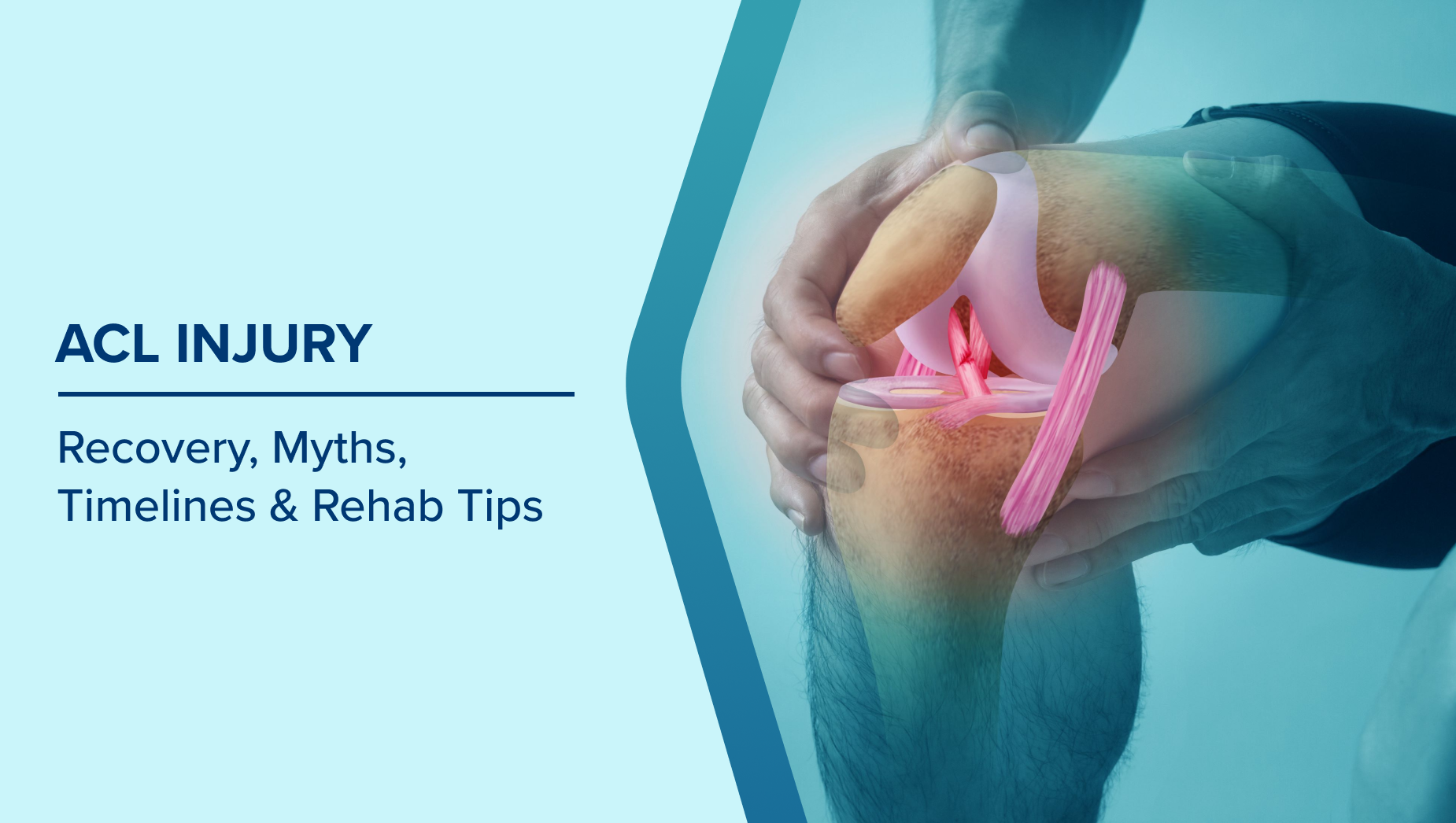
An ACL injury can feel like the end of an active life. However, advances in treatment and rehabilitation, combined with the right mindset, make it entirely possible to return stronger than before. ACL injuries are common among athletes and active individuals, but they don't have to define the future. Here's what everyone needs to know about overcoming an ACL tear, busting common myths, and setting realistic expectations for a confident comeback.
Busting Myths About ACL Injuries and Recovery
One of the biggest myths is that an ACL tear always means the end of an athletic career. Many professional athletes and weekend warriors return to high levels of performance after ACL reconstruction. Another common misconception is that surgery alone is enough. In reality, the success of ACL recovery depends heavily on a well-structured rehabilitation plan and the patient's commitment to it.
Some also believe that ACL injuries only happen to professional athletes, but anyone can suffer an ACL tear, from high school soccer players to adults who slip during a workout. Recognising these myths is the first step to approaching recovery with the right mindset.
Realistic Timelines: How Long Until You're Back?
Expectations play a big role in recovery motivation. While everyone's healing timeline is unique, most people return to low-impact activities within three to six months. A return to high-level sports typically takes between nine months and a year, depending on the individual's strength, balance, and overall fitness.
Rushing back too soon increases the risk of re-injury, so patience is key. Small milestones, like walking without crutches or regaining full range of motion, should be celebrated along the way.
Advances in ACL Treatment and Rehab Techniques
Today's ACL treatments are better than ever. Techniques like minimally invasive arthroscopic surgery result in smaller incisions, less pain, and faster healing. Advances in graft selection and fixation devices have improved knee stability and long-term outcomes.
In rehabilitation, sports medicine specialists now utilise movement analysis technology, balance systems, and neuromuscular training to restore knee function with greater precision. This technology enables athletes to retrain their movements, reducing the risk of future injuries.
Tips for Staying Mentally and Emotionally Strong
Recovery isn't just physical. It's normal to feel frustrated, anxious, or even depressed during a long rehab. Strategies such as joining a support group, practising mindfulness, and maintaining open communication with healthcare providers can make a significant difference.
Setting realistic goals and focusing on what can be done each week helps maintain a positive mindset. Celebrate every step forward, no matter how small.
Nutrition and Strength Training for a Faster Comeback
Fueling the body with lean protein, vegetables, whole grains, and healthy fats helps muscles and ligaments recover and heal more quickly.
Strength training is essential to rebuild the muscles around the knee. Focusing on the quadriceps, hamstrings, glutes, and core helps protect the joint. Working with a physical therapist ensures exercises are done safely and effectively.
Choosing the Right Physical Therapist or Sports Medicine Specialist
Selecting an experienced professional is critical. Look for a therapist who specialises in sports injuries or knee rehabilitation, has positive reviews, and uses modern rehab techniques. A good therapist will customise a plan, monitor progress, and adjust exercises as needed.
Mistakes to Avoid During ACL Recovery
Some of the most common mistakes include skipping rehab sessions, doing exercises incorrectly, or trying to return to sports too soon. Another pitfall is neglecting mental health, which can slow recovery.
Following the rehab plan exactly as prescribed, asking questions when in doubt, and addressing any pain or setbacks promptly will help avoid these mistakes.
Conclusion
Recovering from an ACL injury is challenging, but it's far from the end. With modern treatment options, expert rehab, mental strength, and patience, a confident and active comeback is entirely possible. Stay informed, stay positive, and believe in the process.
Frequently Asked Questions
Can you live an active life after an ACL reconstruction?
Yes, with proper treatment and rehabilitation, most people return to their favourite activities and sports. It's important to stay committed to rehab and continue strength training to protect the knee long-term.
What sports are safest to return to after an ACL tear?
Low-impact activities, such as swimming, cycling, yoga, and strength training, are safer to start with. Always get clearance from your surgeon or therapist before resuming high-impact or pivot-heavy sports.
Are there wearable devices that can help protect knees after an ACL injury?
Yes, functional knee braces can provide additional stability during the early phases of return to sport. Balance trainers and wearable movement trackers can also monitor progress and form during rehab.
How can family and friends support someone during ACL recovery?
They can encourage adherence to the rehabilitation plan, assist with daily tasks during early recovery, and provide emotional support when motivation wanes. A positive support system makes a recovery less stressful.
What are the long-term risks of ACL re-injury, and how can they be minimised?
The risk of re-injury is highest in the first two years post-reconstruction. Maintaining strength, practising good movement patterns, using the proper technique during activities, and avoiding early return to high-risk sports can significantly reduce this risk.
Written and Verified by:

Related Blogs

Dr. Ramneek Mahajan In Arthroscopy & Sports Injury , Orthopaedics & Joint Replacement , Arthroscopic Surgery
Nov 28 , 2020 | 3 min read

Dr. Raju Easwaran In Arthroscopy & Sports Injury , Orthopaedics & Joint Replacement
Nov 08 , 2020 | 1 min read

Dr. Raju Easwaran In Arthroscopy & Sports Injury , Arthroscopic Surgery
Nov 08 , 2020 | 3 min read
Blogs by Doctor

What Do You Need To Know About Shoulder Arthroscopy?
Dr. Raju Easwaran In Orthopaedics & Joint Replacement
Nov 07 , 2020 | 7 min read
Now Treatment of Hip, Knee and Shoulder Possible Through Arthroscopy
Dr. Raju Easwaran In Arthroscopic Surgery , Arthroscopy & Sports Injury
Nov 08 , 2020 | 3 min read
Most read Blogs

Related Blogs
Dr. Ramneek Mahajan In Arthroscopy & Sports Injury , Orthopaedics & Joint Replacement , Arthroscopic Surgery
Nov 28 , 2020 | 3 min read
Dr. Raju Easwaran In Arthroscopy & Sports Injury , Orthopaedics & Joint Replacement
Nov 08 , 2020 | 1 min read
Dr. Raju Easwaran In Arthroscopy & Sports Injury , Arthroscopic Surgery
Nov 08 , 2020 | 3 min read
Blogs by Doctor
What Do You Need To Know About Shoulder Arthroscopy?
Dr. Raju Easwaran In Orthopaedics & Joint Replacement
Nov 07 , 2020 | 7 min read
Now Treatment of Hip, Knee and Shoulder Possible Through Arthroscopy
Dr. Raju Easwaran In Arthroscopic Surgery , Arthroscopy & Sports Injury
Nov 08 , 2020 | 3 min read
Most read Blogs